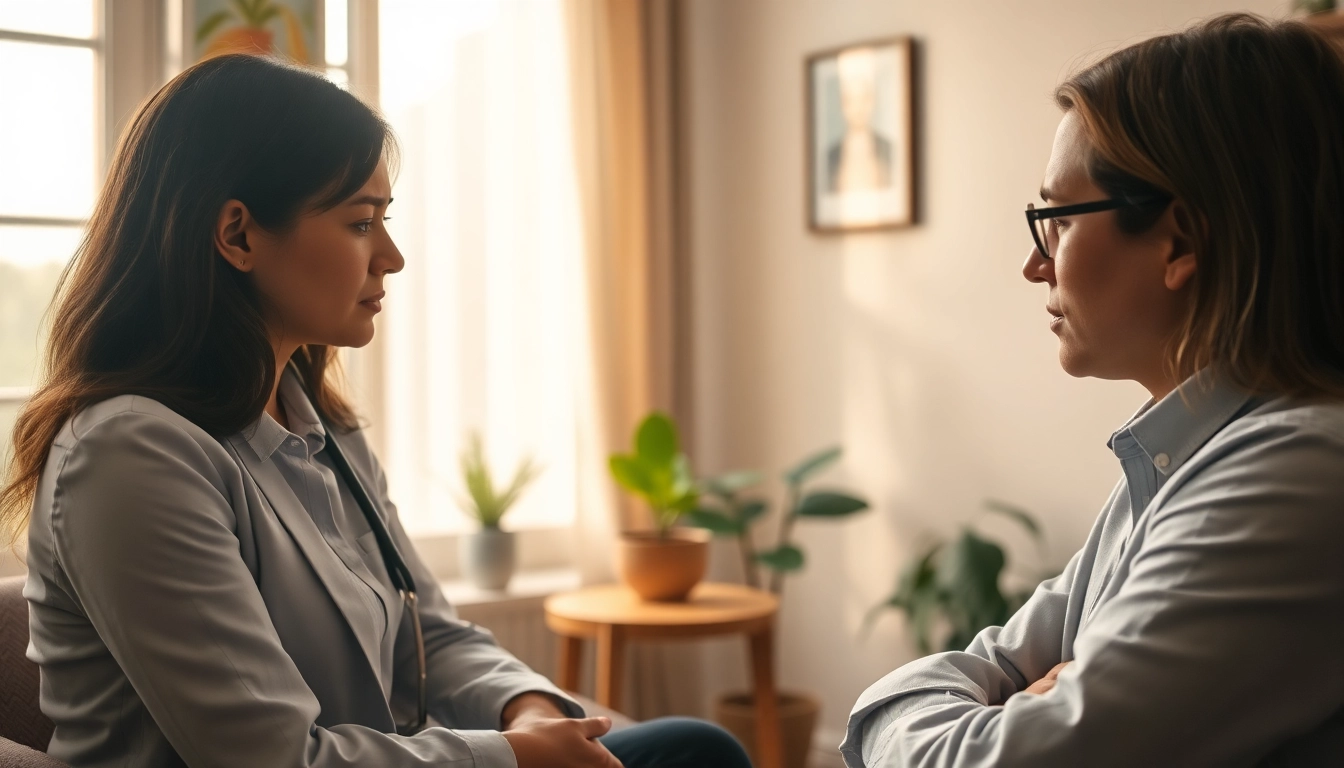
Defining Anxiety Symptoms
Anxiety is a natural response to stress, often characterized by feelings of worry, fear, or apprehension. For many, it can manifest as anxiety symptoms that vary in intensity and frequency. Understanding these symptoms is essential for effective management and finding appropriate help. In this section, we’ll explore the various dimensions of anxiety symptoms, breaking them into common physical symptoms, emotional indicators, and situational triggers.
Common Physical Anxiety Symptoms
Physical symptoms of anxiety can be alarming and may often mimic other health conditions. Here are some common physical signs one might experience:
- Increased Heart Rate: Often described as palpitations, this can lead to a panic response.
- Shortness of Breath: A feeling of being unable to catch one's breath can intensify feelings of panic.
- Sweating: Excessive sweating can occur, even in seemingly calm situations.
- Trembling or Shaking: This can be an involuntary reaction to overwhelming emotions.
- Gastrointestinal Issues: Such as nausea or diarrhea often complicate anxiety experiences.
Emotional Indicators of Anxiety Symptoms
While physical symptoms are noticeable, emotional indicators are equally important in identifying anxiety. They include:
- Excessive Worry: Constantly fretting about future events or daily tasks.
- Irritability: An increased sense of annoyance or frustration can be a telltale sign.
- Feelings of Dread: A pervasive sense of impending doom, even without cause.
- Difficulty Concentrating: An inability to focus can stem from an anxious mind.
- Feelings of Detachment: Some individuals may feel disconnected from reality or themselves.
Situational Triggers of Anxiety Symptoms
Understanding triggers can greatly aid in managing anxiety symptoms. Common triggers might include:
- Public Speaking: Many fear being judged or monitored in front of an audience.
- Social Situations: New or crowded environments can heighten anxiety levels.
- Work-Related Stress: Deadlines and workload can feel overwhelming and induce anxiety.
- Life Changes: Moving, job changes, or relationship issues can serve as significant stressors.
- Health Concerns: Anxiety can be exacerbated by fears about personal health or that of loved ones.
Effects of Untreated Anxiety Symptoms
Ignoring anxiety symptoms can lead to far-reaching implications that affect daily life and overall health. The following sections provide insight into these consequences.
Impact on Daily Life
When anxiety symptoms are untreated, they can severely impact one's daily activities. Individuals might find it challenging to fulfill responsibilities at work or home, leading to decreased productivity and conflict in relationships. This can subsequently lead to isolation, as avoidance of situations that promote anxiety may become a coping mechanism.
Mental Health Consequences
Long-term untreated anxiety can escalate into more serious mental health issues, including depression. The cyclical nature of anxiety and depression can trap individuals in a state of despair. Additionally, untreated anxiety may lead to other psychiatric conditions, such as obsessive-compulsive disorder (OCD) or post-traumatic stress disorder (PTSD).
Long-Term Physical Effects
Chronic anxiety can manifest physically, leading to severe long-term health conditions, including high blood pressure, cardiovascular diseases, and weakened immune response. The body’s ongoing stress can trigger inflammatory responses that are damaging if left unchecked.
Effective Coping Mechanisms for Anxiety Symptoms
It's crucial to develop effective coping mechanisms to manage anxiety symptoms sustainably. Below are strategies that have proven beneficial.
Mindfulness and Relaxation Techniques
Practicing mindfulness can significantly reduce anxiety levels. Techniques such as deep breathing exercises, meditation, and yoga encourage relaxation and promote self-awareness. Engaging in these practices regularly helps create a buffer against anxiety symptoms.
Cognitive Behavioral Therapy Strategies
Cognitive Behavioral Therapy (CBT) is a well-established method for treating anxiety. CBT focuses on identifying and altering negative thought patterns associated with anxiety. Strategies may include:
- Thought Journaling: Documenting triggering thoughts and identifying patterns.
- Gradual Exposure: Confronting feared situations incrementally can reduce anxiety.
- Challenge Negative Thoughts: Learning to assess and question the validity of anxious thoughts.
Support Networks and Resources
Building a supportive network can amplify resilience against anxiety. Consider joining support groups, either in-person or online, where individuals share experiences and strategies. Connecting with family or friends can also create safe spaces for discussion and emotional support.
Professional Help for Anxiety Symptoms
Sometimes, self-help strategies may not be enough, and seeking professional guidance is essential. Understanding when and how to seek help can be a critical step in managing anxiety.
When to Seek Professional Guidance
If anxiety symptoms interfere with everyday functioning or lead to significant distress, it’s essential to consult a mental health professional. Early intervention can prevent the deterioration of emotional well-being.
Types of Treatment Options
Professional treatment options for anxiety may include:
- Therapy: Various forms such as CBT, exposure therapy, and psychodynamic therapy.
- Medication: Antidepressants or anti-anxiety medications prescribed by psychiatrists.
- Lifestyle Changes: Nutritional counseling and exercise plans indicating a holistic approach.
Finding the Right Therapist
Choosing the right therapist involves considering specialties, therapeutic approaches, and compatibility with one’s personality. Recommendations from healthcare providers or personal networks can help guide this process.
Frequently Asked Questions on Anxiety Symptoms
What are anxiety symptoms?
Anxiety symptoms include excessive worry, rapid heartbeat, sweat, irritability, and feelings of dread that arise due to stress or fear.
How can I manage my anxiety symptoms?
Manage anxiety symptoms through mindfulness, cognitive-behavioral strategies, physical exercise, and fostering supportive relationships.
When should I seek help for anxiety symptoms?
Seek help when anxiety symptoms interfere with daily life, cause substantial distress, or lead to feelings of hopelessness.
Can anxiety symptoms affect physical health?
Yes, chronic anxiety symptoms can lead to physical health issues such as cardiac problems, gastrointestinal disorders, and weakened immune responses.
What are common treatments for anxiety symptoms?
Common treatments for anxiety symptoms include therapy (like CBT), medication, lifestyle changes, and mindfulness practices.