When it comes to creating a comfortable, efficient, and functional living space, understanding home appliances is essential. These devices not only assist us in managing daily tasks but can also significantly enhance our quality of life. In this comprehensive guide, we'll delve into various aspects of home appliances—from types and features to choosing, maintaining, and optimizing their use in your home.
Understanding the Basics of Home Appliances
Types of Home Appliances and Their Functions
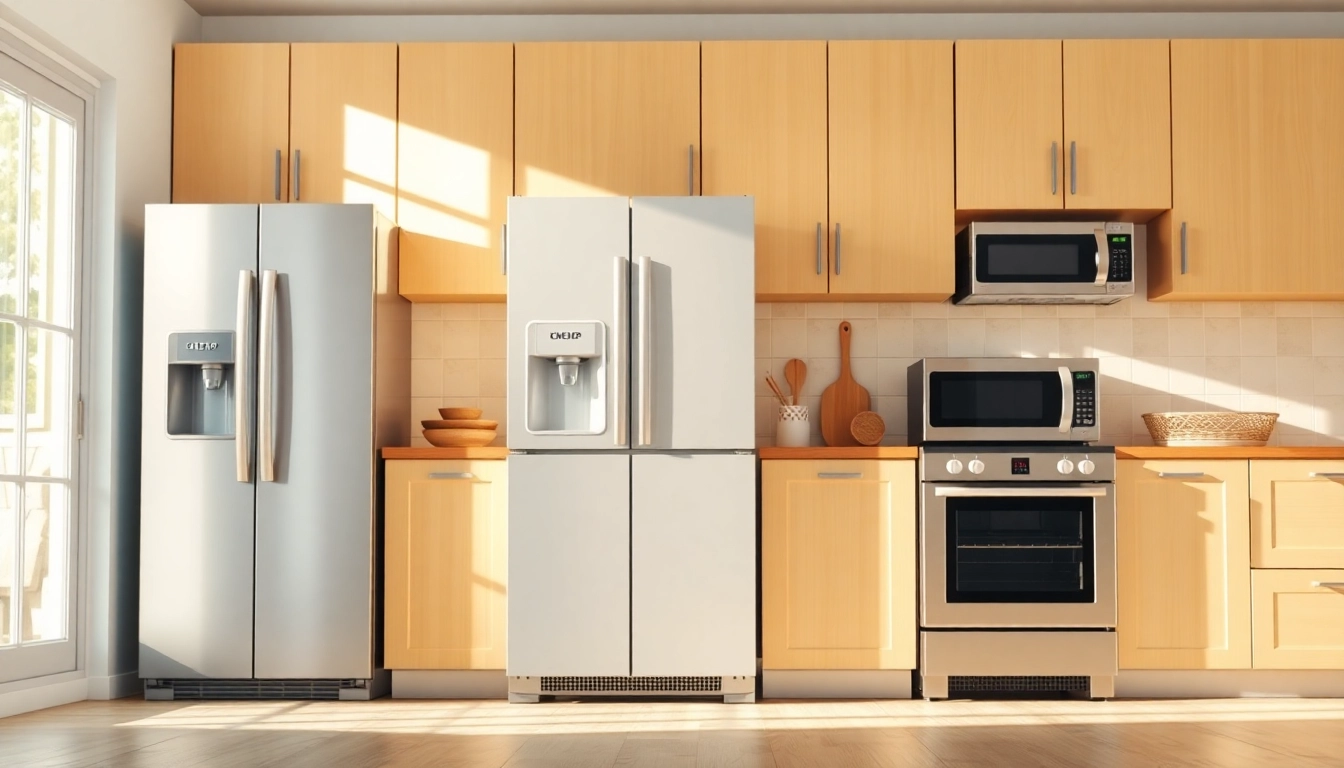
Home appliances can be categorized into two main types: major appliances and small appliances. Major appliances, often termed "white goods" because of their common color, include refrigerators, washing machines, and ovens. These typically have significant roles in a household, with longer life spans and higher energy consumption.
On the other hand, small appliances, such as toasters, blenders, and microwaves, are portable and versatile, designed for specific tasks. They are usually used in various locations within the home and can be easily stored when not in use. Understanding the differences between these types and their functionalities is crucial in making informed purchasing decisions.
Key Features to Consider
When selecting home appliances, there are several key features to consider:
- Size and Capacity: Ensure that the appliance fits well within your designated space and meets the volume requirements for your household.
- Functionality: Assess whether the appliance can perform the tasks you need efficiently. Some appliances come with customizable settings and multiple functionalities.
- Energy Efficiency: Look for energy-efficient models to save on utility bills and reduce your carbon footprint. Models with the ENERGY STAR label are often a good choice.
- Brand Reputation: Research brands known for reliability and customer service, as this can impact the longevity and support you'll receive for your appliance.
- Design and Aesthetics: Consider how the appliance will fit into your existing decor and whether it complements your kitchen or living space.
Energy Efficiency Ratings Explained
Energy efficiency ratings are crucial for making environmentally friendly choices. They indicate how effectively an appliance uses energy, which not only helps in reducing energy costs but also minimizes impacts on the environment. Understanding these ratings can help you select appliances that are both cost-effective and eco-friendly.
Most appliances come with a label detailing their energy consumption. The higher the energy efficiency rating, often signified by stars—more stars indicate better efficiency—the more you can save in the long run. Familiarize yourself with these ratings to make informed decisions.
Choosing the Right Home Appliances for Your Kitchen
Assessing Available Space
Before making any purchases, it's essential to assess your available kitchen space. Take precise measurements and consider the layout of your existing kitchen to ensure that the appliances you choose will fit appropriately without overcrowding the area. Remember to account for door swings, cabinet heights, and any other obstructions.
Matching Styles and Finishes
The aesthetics of your kitchen can greatly affect the overall ambiance of your home. When selecting home appliances, consider the existing style and finish of your other appliances and cabinetry. Stainless steel, matte black, and white finishes are popular choices that can create a cohesive look. Additionally, matching styles will ensure a more streamlined and professional appearance within your space.
Budgeting for Quality Appliances
Investing in quality home appliances can be cost-effective in the long term but requires careful budgeting. Assess your financial situation and determine how much you can allocate to new appliances. Keep in mind that cheaper options may require more maintenance and incur higher energy costs over time, negating their initial savings.
It's also beneficial to budget for potential installation fees and any necessary modifications, such as electrical work or plumbing adjustments, which can arise when relying on more advanced or larger appliances.
Smart Home Appliances: Are They Worth It?
Benefits of Smart Home Appliances
Smart home appliances integrate advanced technology, providing numerous advantages over their traditional counterparts. These benefits may include greater convenience, energy monitoring capabilities, and enhanced control via smartphone apps. For instance, smart refrigerators can notify you when items are running low or nearing expiration, while smart ovens can be preheated remotely.
Popular Smart Features to Look For
When considering smart appliances, look for features that enhance functionality and user experience:
- Remote Control: Operate your appliances from anywhere using your smartphone, allowing for flexibility in daily routines.
- Voice Activation: Compatibility with smart assistants, like Alexa or Google Assistant, allows for hands-free operation.
- Scheduling: Set up schedules for your devices to operate at preferred times, making routines more efficient.
- Alerts and Notifications: Receive notifications about maintenance needs, energy consumption, and more directly to your mobile device.
Considerations for Compatibility
When purchasing smart home appliances, it's imperative to check compatibility with existing systems. Not all smart appliances will work seamlessly together, and some may require specific hub devices for full functionality. Researching compatibility before making a purchase can save you time and frustration in setting up your smart ecosystem.
Maintenance Tips for Home Appliances
Regular Cleaning and Care Practices
Proper maintenance is key to extending the lifespan of home appliances. Regular cleaning prevents the buildup of grime and limescale, particularly in appliances like refrigerators and dishwashers. Ensure you follow the manufacturer's cleaning recommendations and schedule periodic deep cleans.
Extending the Lifespan of Your Appliances
To maximize longevity, keep an eye on performance. Address minor issues before they escalate—such as strange noises, leaks, or performance dips. Regularly checking seals, filters, and vents will help prevent operational inefficiencies and breakdowns.
When to Call for Professional Repairs
While routine maintenance is typically manageable, certain issues require professional attention. If you encounter persistent problems that affect appliance performance or safety concerns, it's best to consult with a qualified technician. Delaying repairs can lead to larger, costlier issues down the line.
FAQs About Home Appliances
What are energy-efficient home appliances?
Energy-efficient home appliances are designed to consume less energy, saving you money on utility bills while being eco-friendly.
How do I choose the right size for my kitchen appliances?
Measure your kitchen space and consider the layout to select appliances that fit without overcrowding the area.
Are smart home appliances easy to use?
Most smart home appliances come with user-friendly interfaces, making them accessible for daily use.
What maintenance do home appliances require?
Regular cleaning, checking seals, and ensuring proper ventilation are key maintenance tasks for appliances.
How can I ensure my appliances last longer?
Follow manufacturer guidelines for care, maintain them regularly, and address any issues promptly to extend their lifespan.