
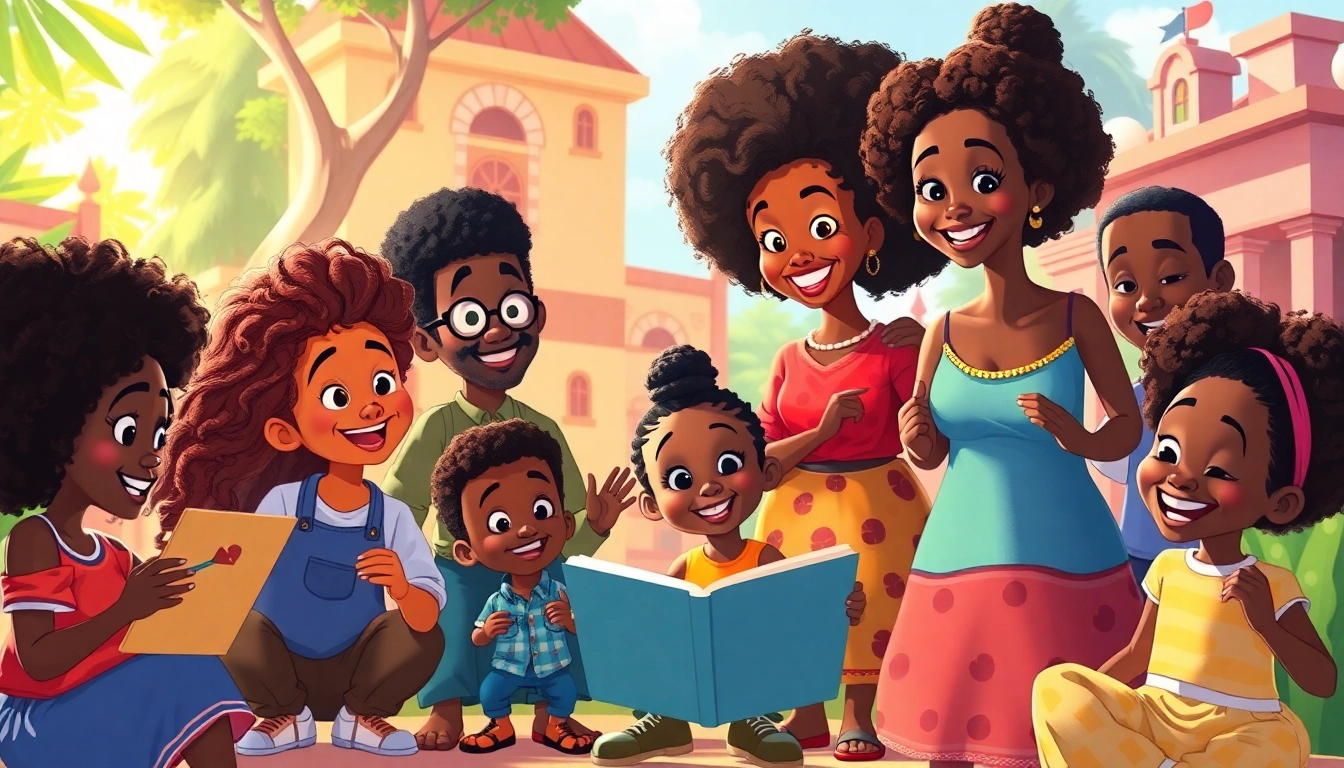
Understanding the Significance of African American Cartoons
The realm of animation has long served as a mirror reflecting societal values and cultural narratives. Within this context, African American cartoons hold a unique position, offering representation that resonates deeply with audiences of all ages. Not only do they provide entertainment, but they also inspire conversations about identity, culture, and history. From classic titles that have shaped childhoods to contemporary creations continuing the legacy of cultural storytelling, the impact of these animated works is profound. When exploring options, African American Cartoons provide comprehensive insights into this vibrant genre.
The History and Evolution of Representation
Historically, the portrayal of African Americans in media has been fraught with stereotypes and limitations. Early cartoons often relegated black characters to marginal roles, contributing to a skewed perception of African American culture. However, with the emergence of influential creators in the late 20th century, the landscape began to shift dramatically. Pioneering figures such as Bill Cosby and Aaron McGruder introduced complex narratives that challenged preconceived notions and celebrated black culture.
For instance, the creation of "Fat Albert and the Cosby Kids" in the 1970s marked a significant turning point, featuring a diverse cast of characters who navigated relatable challenges. This show not only entertained but also educated its viewers on social issues impacting African American communities. As we transitioned into the 2000s, series such as "The Boondocks" took a more satirical approach, using humor to address sensitive topics like race relations and systemic inequality.
Impact on Youth and Cultural Identity
The influence of African American cartoons extends beyond mere entertainment; they play a crucial role in shaping cultural identity among young viewers. By seeing themselves represented on screen, children develop a sense of belonging and pride in their heritage. Shows like "The Proud Family" and "Doc McStuffins" have provided positive role models, showcasing strong African American characters in everyday situations, thus fostering self-acceptance and aspiration.
Moreover, these cartoons often tackle significant themes such as friendship, family, and resilience, which resonate universally. This universality not only entertains but also educates viewers about the nuances of black culture, promoting understanding and appreciation among diverse audiences.
Key Figures Who Shaped African American Animation
Numerous influential individuals have contributed to the evolution of African American animation, each leaving an indelible mark on the industry. Artists such as Chuck Jones and Bob Clampett, though not African American themselves, played pivotal roles in including black characters in their works. However, it was the creators of animated series aimed specifically at African American audiences who truly reshaped the narrative.
Among these trailblazers is animation legend Bruce Smith, known for his work on "The Proud Family," which became one of the first animated series to center a black family in the early 2000s. Smith's dedication to authentic storytelling paved the way for a new generation of animators and writers like Peter Ramsey, who directed the groundbreaking film "Spider-Man: Into the Spider-Verse," thus continuing the legacy of African American representation in animation.
Top African American Cartoons to Watch in 2026
As we look forward to the future of animation, several African American cartoons are set to captivate audiences in 2026. The ongoing evolution of storytelling and character development within this genre promises to bring forth innovative ideas and narratives.
Must-See Classic Shows and Their Modern Adaptations
Classic shows have either been revived or have influenced modern adaptations that reflect contemporary society's values. "The Boondocks," known for its sharp social commentary, is making a return, aimed at addressing present-day issues through the lens of comedy. Similarly, "The Proud Family: Louder and Prouder" continues to engage audiences, offering touching stories that resonate with both children and adults alike.
Innovative New Releases Worth Exploring
Newer titles such as "Maya and the Three" and "Kazoops!" are not only aesthetically pleasing but also highlight diverse narratives and characters. These series aim to deliver messages of empowerment and encourage children to embrace their uniqueness. As streaming platforms expand their libraries, the accessibility of these new shows makes it easier for young audiences to engage with stories that reflect their own experiences.
Beloved Characters and Their Cultural Impact
Iconic characters from African American cartoons, such as Huey and Riley Freeman from "The Boondocks," serve as powerful symbols of resistance and intelligent discourse on cultural stereotypes. Figures like Doc McStuffins, who breaks barriers by presenting a young African American girl as a doctor, empower children to dream beyond traditional roles. These characters have become cultural icons, inspiring both young viewers and adults to engage in discussions about identity and representation.
Creating Inclusive Animated Content
The animation industry has seen progressive strides toward inclusivity, yet challenges remain. Creating content that accurately represents the diverse experiences within the African American community necessitates a concerted effort from creators, producers, and audiences alike.
Best Practices for Representation in Animation
One of the foremost practices for achieving representation in animation is involving creators from diverse backgrounds. By ensuring that writers, directors, and animators reflect the cultures they depict, the resulting content is richer and more authentic. Collaborative storytelling that includes input from community members can further enhance the representation of African American experiences.
Challenges Faced by Creators in the Industry
Despite these best practices, creators often confront several obstacles, including limited funding, industry biases, and the difficulty of breaking into a predominantly white space. These challenges can stifle creativity and hinder the production of original narratives that celebrate African American culture. The industry's commitment to diversify needs to be more than a trend; it must be a sustained effort to create opportunities for underrepresented voices.
Successful Case Studies of Inclusive Animation
Successful examples of inclusive animation include the Netflix series "Carmen Sandiego," which features a diverse cast and incorporates educational elements about geography and culture. Additionally, the remarkable success of animated films like "Soul" demonstrates the demand for narratives centered around black experiences, merging entertainment with cultural appreciation.
Engaging with African American Cartoons: Community and Culture
As audiences engage with African American cartoons, building communities around these shared interests becomes essential. These communities foster discussions that expand the impact of these animated works beyond the screen.
Online Platforms and Communities for Fans
Online forums, social media groups, and fan-driven websites allow enthusiasts to connect, share their thoughts, and advocate for diverse storytelling in animation. Platforms like Reddit and Discord have burgeoning communities dedicated to analyzing and discussing the cultural significance of shows and characters that resonate with fans of African American cartoons.
Events and Festivals Celebrating Black Animation
Events such as Black Animation Day and various film festivals serve as crucial platforms for celebrating African American animation. These gatherings not only highlight emerging talent but also provide opportunities for networking, mentorship, and sharing innovative ideas that inspire future projects.
The Role of Education in Promoting Diverse Animation
Educational institutions play a pivotal role in promoting diverse animation by developing programs that focus on inclusive storytelling and production techniques. By introducing students to the importance of representation from a young age, we can cultivate the next generation of animators who understand and appreciate the cultural narratives they depict.
The Future of African American Cartoons
The future of African American cartoons appears promising, with emerging trends that reflect the evolving landscape of both animation and societal narratives. As we progress into 2026 and beyond, representation and inclusivity will remain integral to the stories we tell.
Emerging Trends in Animation for 2026 and Beyond
In the coming years, we can expect to see increased collaboration between animation studios and creators from diverse backgrounds, leading to richer storytelling. Additionally, the rise of virtual reality and interactive media will enable audiences to engage with narratives in unprecedented ways, enhancing their connection to the stories being told.
Predictions for Representation in Mainstream Media
The demand for authentic representation in mainstream media will only continue to grow. As audiences become more vocal about their desire for diversity, studios that embrace these changes will likely see greater success. It is crucial for African American cartoons to not only occupy space in animation but to also shape the broader cultural discourse.
Harnessing Technology for Enhanced Storytelling
Advancements in technology, including animation software and distribution methods, will further facilitate the creation of diverse content. By leveraging these tools, animators can experiment with new styles and narratives, enriching the viewer's experience and ensuring that African American stories are told with the depth and nuance they deserve.