

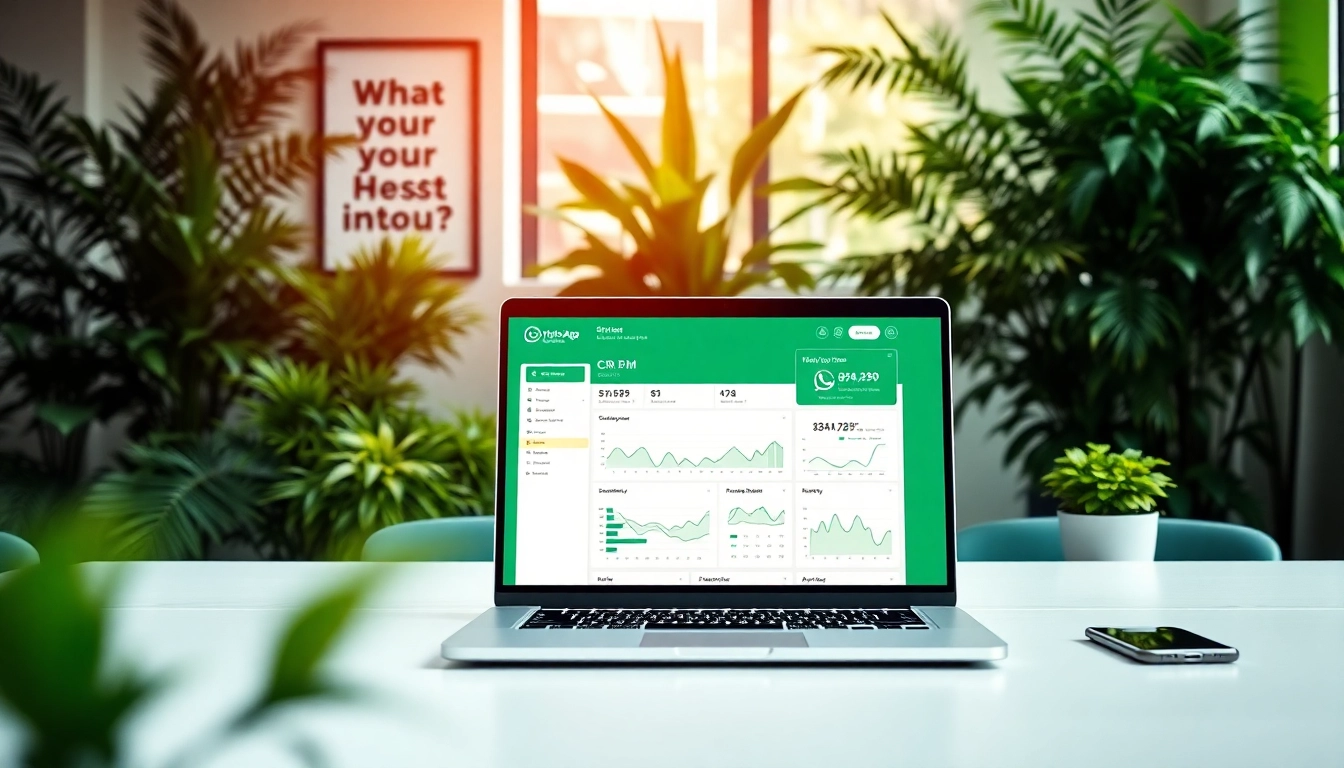
Introduction to WhatsApp Business CRM
In today’s fast-paced digital landscape, businesses are constantly looking for ways to enhance customer engagement and streamline their operations. One tool that has gained significant traction is the WhatsApp Business CRM. It combines the powerful messaging capabilities of WhatsApp with robust customer relationship management features, making it an indispensable asset for businesses aiming to optimize their communication strategies.
What is WhatsApp Business CRM?
The WhatsApp Business CRM is a specialized platform that integrates WhatsApp’s messaging services with CRM functionalities. Unlike standard WhatsApp accounts, WhatsApp Business accounts cater specifically to businesses, providing tools that help manage customer interactions effectively. This includes automated responses, customer segmentation, and integration with other business applications to ensure seamless operations.
Benefits of Using WhatsApp Business CRM
Leveraging the WhatsApp Business CRM can yield numerous benefits for organizations. Here are a few key advantages:
- Enhanced Communication: The real-time messaging feature allows businesses to communicate promptly with customers, fostering better relationships.
- Improved Customer Support: Automated replies can assist in answering frequently asked questions, ensuring customers always have assistance at hand.
- Higher Engagement Rates: WhatsApp boasts a significantly higher open rate compared to traditional email marketing, making it an effective tool for businesses.
- Data-Driven Insights: Integrating CRM capabilities allows businesses to track customer behavior and preferences, enabling personalized marketing strategies.
Key Features to Look For
When choosing a WhatsApp Business CRM, businesses should look for essential features that will enhance their customer engagement and operational efficiency. Some of these features include:
- Chat Automation: Automated responses to common inquiries can save time and improve customer satisfaction.
- Customer Segmentation: This allows businesses to categorize their audience based on various criteria for targeted messaging.
- Integration Capabilities: The CRM should easily integrate with other tools and platforms the business is using.
- Analytics and Reporting: Insightful analytics can help track KPIs and improve customer interactions over time.
Implementing WhatsApp Business CRM in Your Business
Choosing the Right Integration
When implementing a WhatsApp Business CRM, it’s crucial to choose the right integration that suits your business needs. Consider factors such as how the CRM connects with your existing systems, ease of use, and compatibility with your business processes. Look for platforms that offer customizable APIs, enabling tailored insights and interaction flows.
Setting Up Your Profile Effectively
Your WhatsApp Business profile is often the first contact point with customers. Ensure it’s set up effectively with a professional business name, a clear description of your services, and a cohesive brand image. Make use of the business category feature and maintain a consistent tone throughout your profile, which helps establish trust and professionalism.
Creating a Strategy for Customer Engagement
A successful WhatsApp Business CRM strategy revolves around effective customer engagement. Start by defining your target audience and identify their needs. Develop tailored messaging strategies that capitalize on the platform’s capabilities. Consider scheduling regular updates, promotional offers, or informative content to keep your customers engaged and coming back for more.
Exploring Advanced Features of WhatsApp Business CRM
Utilizing Automation for Efficiency
Automation is a game-changer when it comes to streamlining customer interactions. Implementing chatbots can facilitate 24/7 communication, answering inquiries even when your team is offline. This can free up resources for more complex tasks while ensuring customer satisfaction is not compromised.
Leveraging Analytics to Drive Decisions
Analytics play a critical role in understanding customer behavior. Use the data gathered from interactions to identify trends, assess campaign effectiveness, and make informed decisions. Look for key metrics like response time, customer satisfaction ratings, and message engagement rates to refine your approach continually.
Best Practices for Message Management
Managing messages effectively is vital to maintaining a good relationship with customers. Adopt a systematic approach to handle inquiries promptly. Create templates for common responses to ensure quick replies while still personalizing messages where possible. Keep your messaging clear and concise to enhance customer understanding.
Common Challenges with WhatsApp Business CRM
Addressing Privacy Concerns
With increasing awareness of data privacy, businesses must address these concerns proactively. Ensure compliance with local and international privacy regulations, and communicate your data protection measures clearly to customers. Transparency about how customer data is used can build trust and promote confidence in your brand.
Overcoming Resistance to Change
Implementing a WhatsApp Business CRM can face resistance from team members accustomed to traditional methods. Help alleviate fears by highlighting the benefits of the new system and providing ample training. Fostering a culture of adaptability can encourage a more seamless transition.
Ensuring Team Training and Adoption
To maximize the effectiveness of your WhatsApp Business CRM, comprehensive training for your team is crucial. Conduct workshops that cover all functionalities and best practices to empower your staff in utilizing the tool efficiently. Encourage feedback and continually assess team comfort with the system to identify areas for improvement.
Measuring Success with WhatsApp Business CRM
Key Performance Indicators (KPIs) to Track
To measure the success of your WhatsApp Business CRM initiatives, it’s vital to establish clear KPIs. Track metrics such as customer response time, customer satisfaction scores, and conversion rates. Monitoring these metrics allows for data-driven adjustments to improve customer relationships continually.
Feedback Loops and Continuous Improvement
Creating feedback loops enables ongoing dialogue with customers, providing valuable insights into their experiences. Use surveys or direct interactions to collect customer opinions and preferences. Incorporating this feedback into your operations fosters a culture of continuous improvement, enhancing customer experiences over time.
Success Stories and Case Studies
Reviewing success stories and case studies related to the WhatsApp Business CRM can inspire new strategies and innovations. Many businesses have seen significant growth in engagement and customer satisfaction by using WhatsApp CRM features effectively. Analyze these successes to extract key takeaways that can be adapted to your unique business environment.
FAQs
1. What is a WhatsApp Business CRM?
A WhatsApp Business CRM is an integrated system that combines WhatsApp’s messaging capabilities with customer relationship management features, enhancing customer communication and engagement.
2. Why is automation important in WhatsApp Business CRM?
Automation streamlines communication, allowing businesses to provide quick responses and assistance while freeing up resources for more complex tasks.
3. How can analytics improve my WhatsApp Business strategy?
Analytics provide insights into customer behavior and engagement, enabling businesses to refine their messaging strategies and improve overall communication effectiveness.
4. What training is necessary for effective use of WhatsApp Business CRM?
Team members should receive training on the CRM’s functionalities, best practices for customer interactions, and guidance on handling privacy concerns adequately.
5. How can I measure the success of my WhatsApp Business CRM implementation?
Success can be measured by tracking key performance indicators (KPIs) such as response times, customer satisfaction scores, and engagement rates over time.