

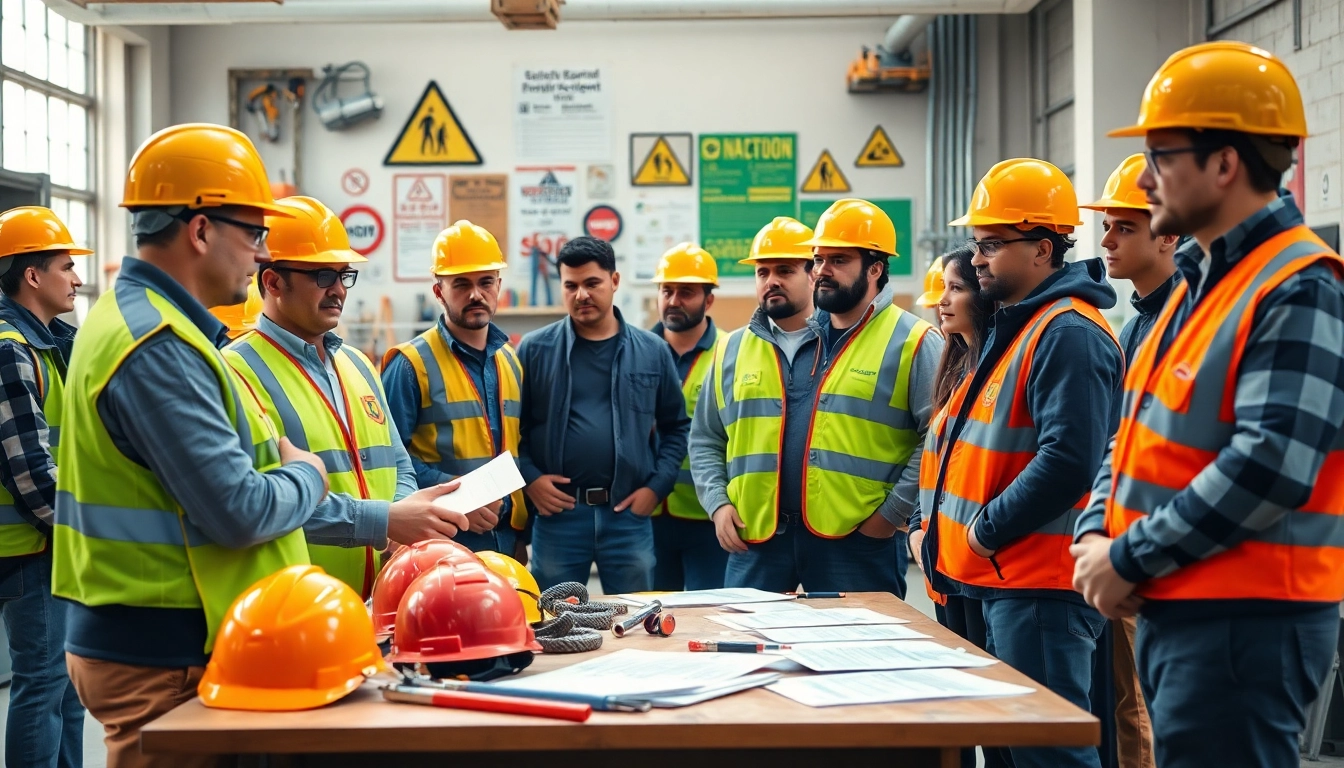
- Understanding the Importance of Construction Site Safety Training
- Best Practices in Delivering Construction Site Safety Training
- Regulatory Compliance in Construction Site Safety Training
- Measuring the Effectiveness of Safety Training
- Frequently Asked Questions About Construction Site Safety Training
Understanding the Importance of Construction Site Safety Training
Construction sites are bustling environments where diverse tasks are undertaken simultaneously. As necessary as these activities may be, they come with inherent risks, making construction site safety training critically important. This training equips workers with the knowledge and skills necessary to identify hazards, take preventive measures, and respond promptly to emergencies, ultimately fostering a culture of safety within the workforce.
Defining Key Objectives
The primary objective of construction site safety training is to minimize accidents and injuries. Achieving this goal requires a multi-faceted approach, including the following key objectives:
- Awareness: Ensure that all workers understand potential hazards, both general and task-specific.
- Prevention: Instill a mindset focused on risk mitigation and safe work practices.
- Response: Equip employees with the skills to respond effectively to emergencies and accidents.
- Regulation: Familiarize workers with legal and industry standards that govern safety practices.
Identifying Common Hazards
Common hazards found on construction sites include:
- Falls: The leading cause of injuries, falls can occur from ladders, scaffolding, or roofs if proper safety measures are not implemented.
- Electrical hazards: Exposed wires or improper use of tools can lead to electric shock or electrocution.
- Heavy machinery: Operation of heavy equipment can result in injuries if safety protocols are not followed.
- Hazardous materials: Exposure to toxic substances, whether through inhalation or skin contact, necessitates proper training and safety equipment.
Assessing Training Requirements
To effectively meet safety training needs, assess the following:
- Workforce Analysis: Evaluate the experience, knowledge, and specific roles of workers to tailor training programs accordingly.
- Site-Specific Hazards: Identify the unique risks associated with the construction site and the specific tasks being performed.
- Regulatory Standards: Align training with OSHA requirements and industry best practices for compliance.
Best Practices in Delivering Construction Site Safety Training
Delivering effective safety training requires innovative approaches that engage workers and convey information effectively.
Interactive Training Methods
Drawing on adult learning principles, interactive methods—such as hands-on training, group discussions, and simulations—enhance knowledge retention. Techniques like role-playing or interactive workshops allow participants to practice skills in a safe environment.
Incorporating Real-Life Scenarios
Casing real incidents relevant to the specific construction site or project can demonstrate the consequences of failing to adhere to safety protocols. Presenting actual case studies fosters discussion and reinforces the importance of safety.
Utilizing Technology in Training
With the advent of technology, training programs have evolved. Utilizing online platforms, virtual reality simulations, and mobile applications can deliver content efficiently, keeping participants engaged while providing them with valuable resources at their fingertips.
Regulatory Compliance in Construction Site Safety Training
Ensuring compliance with safety regulations not only protects employees but also shields the organization from potential legal repercussions.
Understanding Compliance Standards
Familiarize staff with standards set by OSHA and other relevant bodies. These standards cover a broad spectrum of safety practices and outline the requirements for training programs, record-keeping, and reporting incidents.
Documentation and Record Keeping
Accurate documentation of training sessions, including attendance records and assessment results, is essential for demonstrating compliance. These records provide a clear history of what training was conducted, its content, and who participated.
Regular Updates and Refresher Courses
The construction industry is continually evolving, making it imperative to keep training materials current. Regularly scheduled refresher courses ensure that all workers remain informed about new regulations, technologies, and safety practices.
Measuring the Effectiveness of Safety Training
Continuous improvement in safety training relies on systematic evaluation methods to gauge effectiveness.
Performance Metrics and Evaluation
To measure effectiveness, establish key performance indicators (KPIs), such as the reduction of workplace accidents, employee feedback scores, and the number of safety violations. Analyze relevant data to identify trends and areas for improvement.
Feedback Mechanisms for Continuous Improvement
Implementing feedback mechanisms—such as surveys or suggestion boxes—enables workers to share their perspectives on training effectiveness. Use this information to make iterative changes to training programs.
Adjusting Training Content Based on Evaluations
Adapting training content according to feedback and performance metrics ensures that programs remain relevant. For instance, if a certain aspect of training is consistently marked as confusing, re-evaluate and enhance that segment.
Frequently Asked Questions About Construction Site Safety Training
What are the key components of effective safety training?
Effective safety training should include hazard recognition, proper equipment usage, emergency response procedures, real-life scenarios, and regular updates to the training material.
How often should safety training be conducted on construction sites?
Safety training should occur at least annually, or more frequently if significant changes occur in procedures, equipment, or regulations that could affect worker safety.
What role does technology play in safety training?
Technology enhances training delivery through online courses, virtual simulations, and mobile apps, allowing for interactive, engaging, and accessible learning experiences for workers.
How to evaluate the effectiveness of the training?
Evaluate training effectiveness through accident reporting data, employee feedback, retention tests, and observation of safety practices to ensure concepts are understood and implemented correctly.
What are the common challenges faced in safety training?
Common challenges include employee engagement, varying levels of baseline knowledge, and time constraints. Addressing these with interactive methods and flexibility in scheduling can enhance outcomes.