Understanding Structural Steel Construction
Definition and Importance of Structural Steel Construction
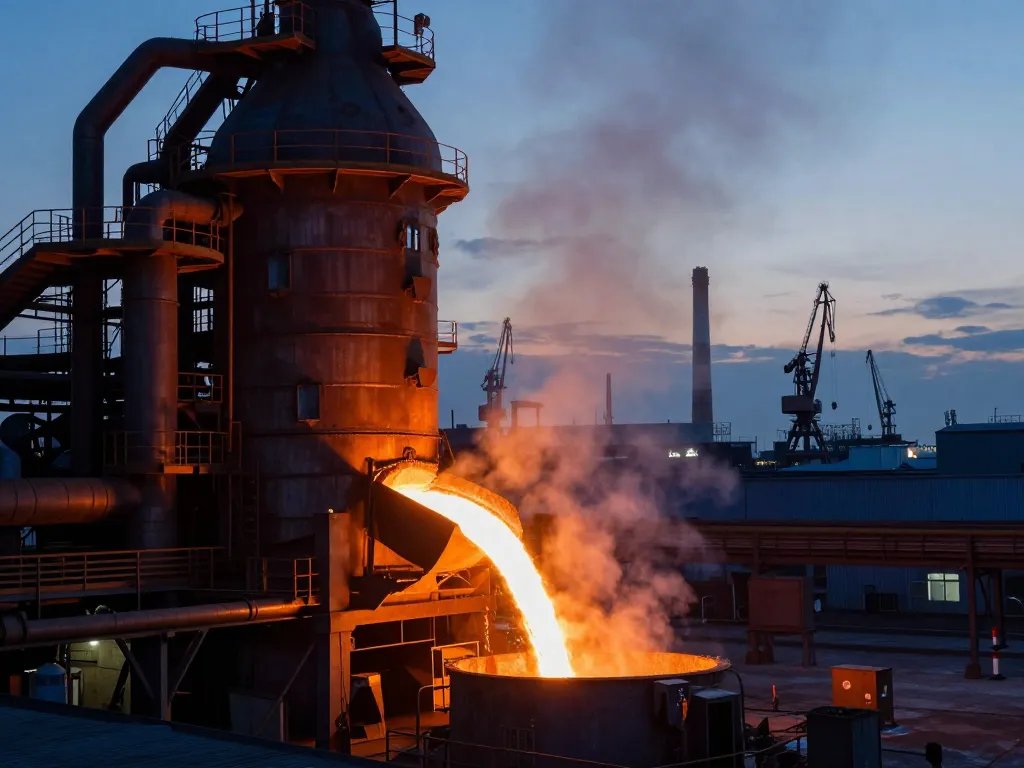
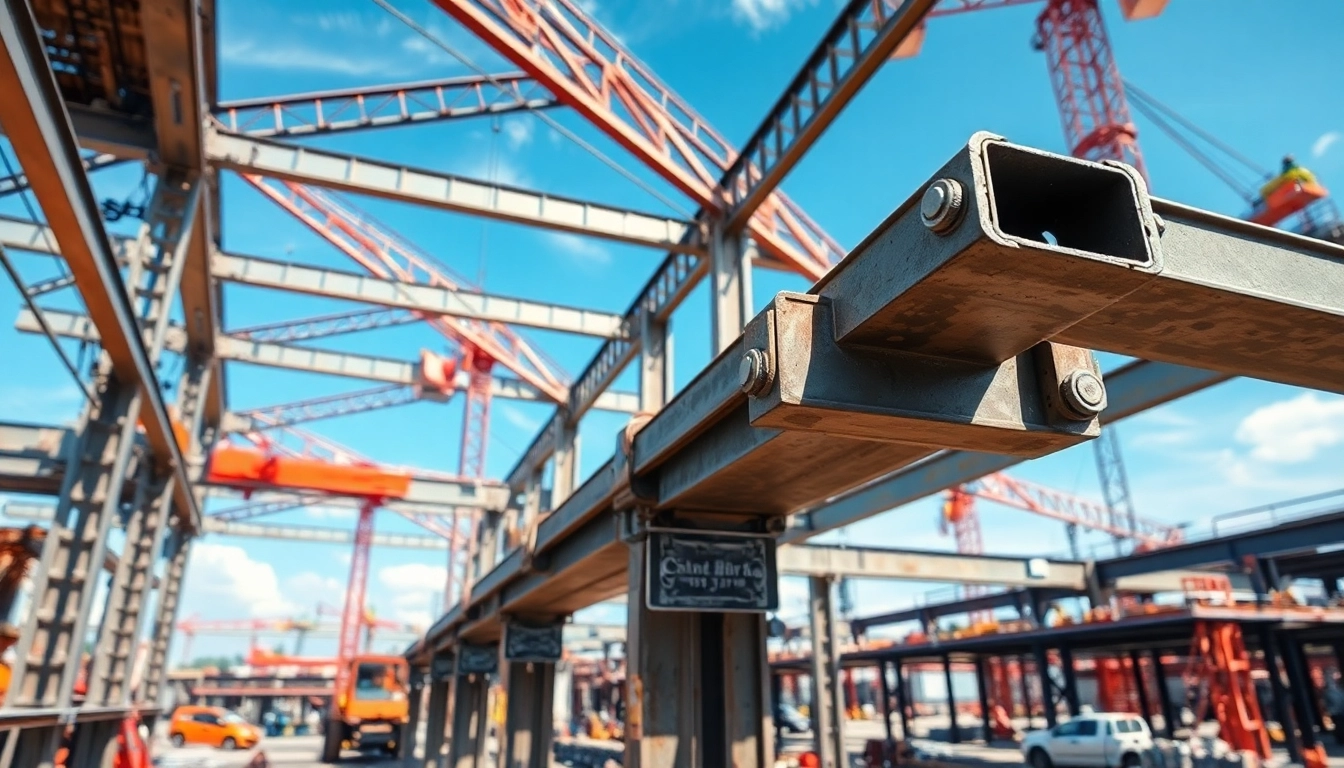
Structural steel construction pertains to the use of steel as a fundamental material in building infrastructure and frameworks. This construction method is pivotal in modern architecture, providing strength, versatility, and a significant reduction in construction time compared to traditional building materials. Steel is known for its high strength-to-weight ratio and durability, which makes it an optimal choice for everything from skyscrapers to bridges. This means that projects can meet stringent safety requirements while also achieving engaging designs that stem from the unique properties of steel. By understanding structural steel construction, stakeholders can ensure that projects not only meet aesthetic needs but also long-term sustainability goals.
The role of structural steel construction in the industry cannot be overstated. In fact, it forms the backbone of many architectural masterpieces, making it integral to a city's aesthetic and functional landscape. Moreover, the structural steel construction process is shaped by engineering excellence and innovative techniques that continue to evolve with technology and design trends.
Key Properties of Structural Steel
Structural steel boasts several key properties that contribute to its superior performance in construction applications. First and foremost, its strength allows it to withstand substantial loads while maintaining structural integrity. The steel's ductility enables it to deform under stress without fracturing, which is especially critical in seismic-prone areas.
Another significant property is corrosion resistance when treated properly, making it suitable for various environments, including coastal areas. The material's lightweight nature facilitates easier handling, transportation, and installation, which is an essential aspect of efficiency in construction projects. Lastly, steel can be easily fabricated into a vast array of shapes and sizes, leading to Creative architectural possibilities.
Applications in Modern Architecture
Structural steel is utilized across various applications in modern architecture, where the demand for innovative and sustainable solutions is ever-growing. From the towering frames of commercial buildings to the intricate designs of recreational facilities and bridges, steel plays a crucial role. Its adaptability allows it to fit seamlessly into various architectural styles, whether that be sleek and modern or traditional.
Moreover, the ongoing advancements in construction technology enhance the potential for using structural steel. Fabrication techniques have improved, enabling precision-cut and pre-assembled components that reduce on-site labor and associated costs. Notably, steel's compatibility with glass and other materials creates striking visual contrasts, leading to the design of transparent, open spaces that enhance user experience.
Types and Grades of Structural Steel
Common Variants Used in Construction
There are several types of structural steel used in construction, each tailored to specific applications. These include:
- Carbon Steel: Often the primary choice for structural applications, carbon steel is classified based on its carbon content. Low-carbon steel is ductile and easy to weld, making it ideal for building frameworks.
- Alloy Steel: This type includes various alloys for enhanced properties. The specific alloying elements added can improve tensile strength, hardness, or corrosion resistance.
- Stainless Steel: Known for its corrosion resistance, stainless steel is often used in environments where exposure to moisture is significant, such as coastal zones.
- High-Strength Low-Alloy Steel (HSLA): This is a lightweight alternative that provides higher strength with lower weight than conventional carbon structural steels.
Choosing the Right Grade for Projects
Choosing the right grade of structural steel is critical for project success. Factors that must be considered include the expected loads, environmental conditions, and aesthetic requirements. Each project will require a careful balance of properties such as strength, weldability, and fatigue resistance.
Furthermore, guidelines and standards such as those from the American Institute of Steel Construction (AISC) provide detailed specifications for selecting the appropriate grade. Understanding these standards can lead to project efficiencies and compliance with building codes.
Comparative Analysis of Steel Types
When initiating a structural steel construction project, it is essential to conduct a comparative analysis of the varying steel types and grades available in the market. Carbon steel, for instance, is the most prevalent due to its flexibility and cost-effectiveness; however, for projects demanding higher corrosion resistance, stainless steel would be more suitable. Conversely, HSLA steel is exceptionally lightweight but tends to be more expensive than traditional carbon alternatives.
Implementing a cost-benefit analysis by comparing initial costs with long-term durability and maintenance needs can provide insight into the most viable option for a particular project. Ultimately, the choice of material plays a significant role in the project's overall performance and longevity.
Designing for Structural Steel Construction Success
Standard Design Practices and Considerations
Designing with structural steel requires adherence to best practices established by engineering professionals. The construction process begins with comprehensive planning, where engineers assess load demands, building dimensions, and material properties to propose a structural design that meets all regulatory requirements.
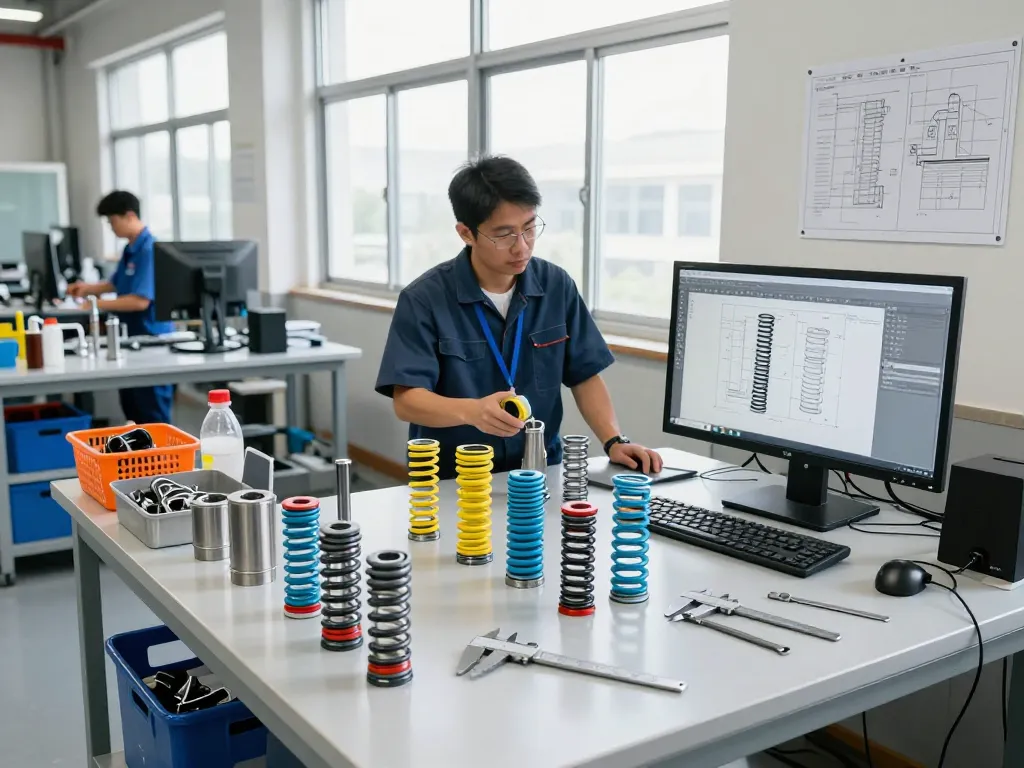
Attention to detail during design helps prevent errors that could arise during construction, ensuring that constructed elements fit perfectly with planned designs. Particularly when utilizing Computer-Aided Design (CAD) tools, designers can visualize structural elements and their relationships, streamlining the approval and modification processes.
Engineering Challenges in Structural Steel Construction
No construction project is without its challenges. In structural steel construction, the most common issues arise during design, fabrication, and on-site assembly. One primary challenge is ensuring that all components are fabricated according to design specifications. Discrepancies due to human error or inadequate communication can lead to delays and increased costs.
Moreover, managing the ever-evolving codes and standards presents another challenge for engineers. Staying current with regulations and best practices is essential for quality assurance and safety during construction. Engaging multidisciplinary teams who collaborate effectively can mitigate some engineering challenges.
Innovative Design Trends in the Industry
Structural steel construction is undergoing a transformation due to innovative design trends that redefine how steel is used in buildings. One of the prevailing trends involves the integration of sustainability principles, where designers are evaluating how materials can be reused, recycled, or sourced from sustainable pathways.
Another significant design movement is the use of modular construction. Pre-fabricated steel components are increasingly utilized in the industry for faster construction timelines and reduced waste. The emergence of computational design has also enabled architects to explore complex geometries and optimize material usage, further enhancing the functionality and beauty of structures.
Best Practices for Structural Steel Construction
Safety Protocols on Construction Sites
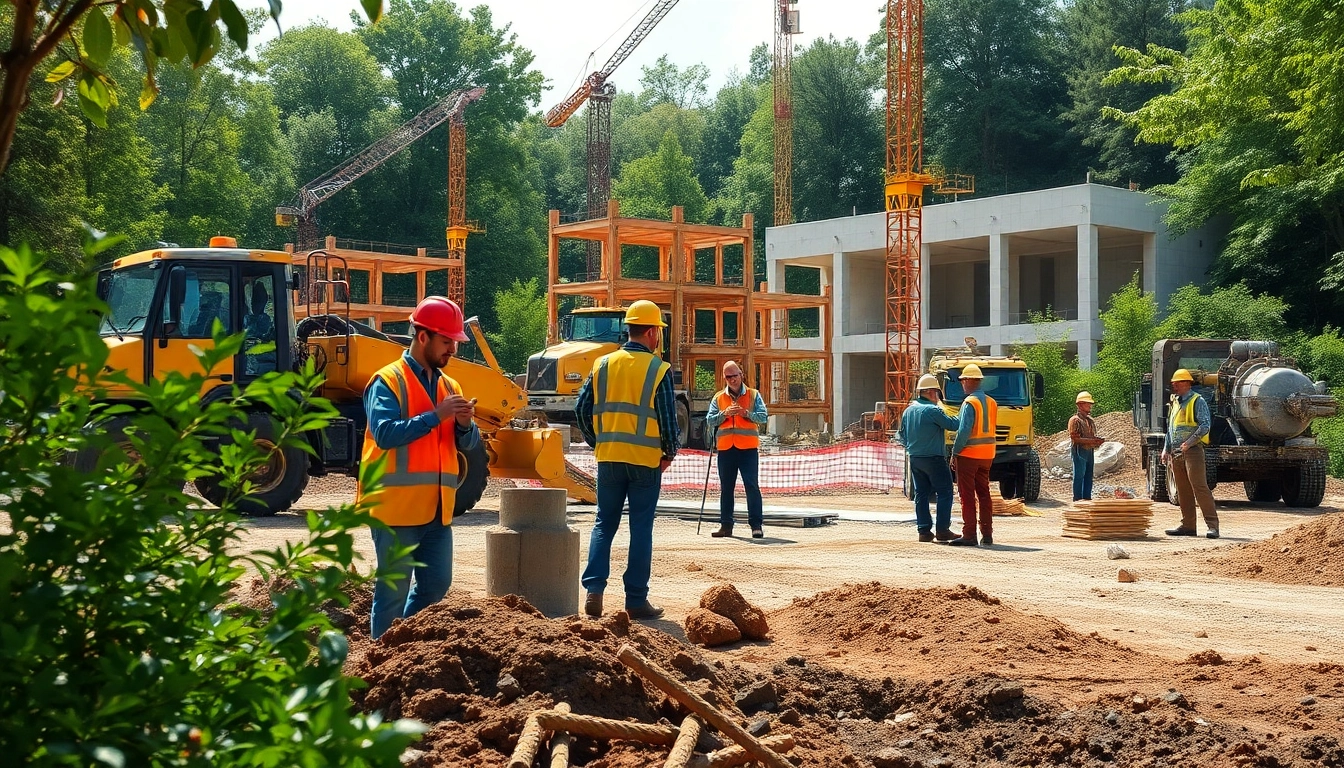
Safety remains a paramount concern in structural steel construction. Implementing comprehensive safety protocols can protect workers and mitigate the risks of incidents. Most construction sites must adhere to the Occupational Safety and Health Administration (OSHA) standards, which provide guidelines for safe practices regarding equipment operation and site conditions.
Regular safety training for workers, use of personal protective equipment, and ensuring clear site communication protocols are effective strategies to enhance safety. Moreover, conducting routine safety audits can help identify potential hazards before they result in accidents.
Quality Control Measures in Steel Fabrication
Ensuring the quality of fabricated steel components is crucial for the overall integrity of structural projects. Quality control measures encompass various processes, including raw material inspections, dimensional checks, and testing of welds and connections. Employing certified welding and fabrication standards provides assurance of quality and compliance.
The integration of Quality Management Systems (QMS) streamlines the handling of quality assurance documentation and processes, making it easier for stakeholders to track standards and adherence to project specifications throughout the project's lifecycle.
Effective Project Management Strategies
Effective project management is critical in guiding a structural steel construction project from conception to completion. Successful project managers employ strategic planning to anticipate project timelines, budget requirements, and resource allocation. Utilizing project management tools and technology enhances collaboration among teams and informs stakeholders about progress and challenges effectively.
Moreover, regular communication with all project participants helps align objectives and improve teamwork. Emphasizing flexibility and adaptability to change can mitigate potential disruptions during the construction process, ensuring smoother project flow.
Future Trends in Structural Steel Construction
Advancements in Materials and Technology
The future of structural steel construction is marked by ongoing advancements in materials and technology. Emerging high-performance materials are being developed to expand the capabilities of steels, including smart steels that can respond to environmental changes. These innovations position structural steel as a pivotal component in future builds where sustainable practices are paramount.
Digital technologies, like Building Information Modeling (BIM), are revolutionizing how designs are visualized, analyzed, and executed, streamlining many construction processes by enabling detailed digital representations of the physical building.
Environmental Sustainability in Steel Construction
As sustainability continues to dominate construction discussions, steel's recyclability and durability are leading to its enhanced integration into green building practices. The steel industry’s commitment to reducing its carbon footprint aligns with broader environmental goals, positioning structural steel construction as an environmentally responsible choice for future projects.
Adopting sustainable practices involves selecting materials with lower environmental impacts, optimizing design processes to minimize waste, and incorporating renewable energy solutions into building designs.
Impact of Digital Tools on Construction Efficiency
The rise of digital tools is profoundly impacting construction efficiency in the realm of structural steel construction. Technologies such as virtual reality (VR) and augmented reality (AR) are providing effective methods for visualizing complex designs and facilitating accurate onsite assembly. These tools allow stakeholders to identify potential problems before construction begins, saving time and resources.
Automation in manufacturing processes further increases efficiency by reducing human error and enhancing precision in fabrication tasks. As digital solutions continue to develop, they promise to streamline project workflows, enhance collaboration, and improve overall construction timelines.