Understanding Fly Fishing Apparel
What is Fly Fishing Apparel?
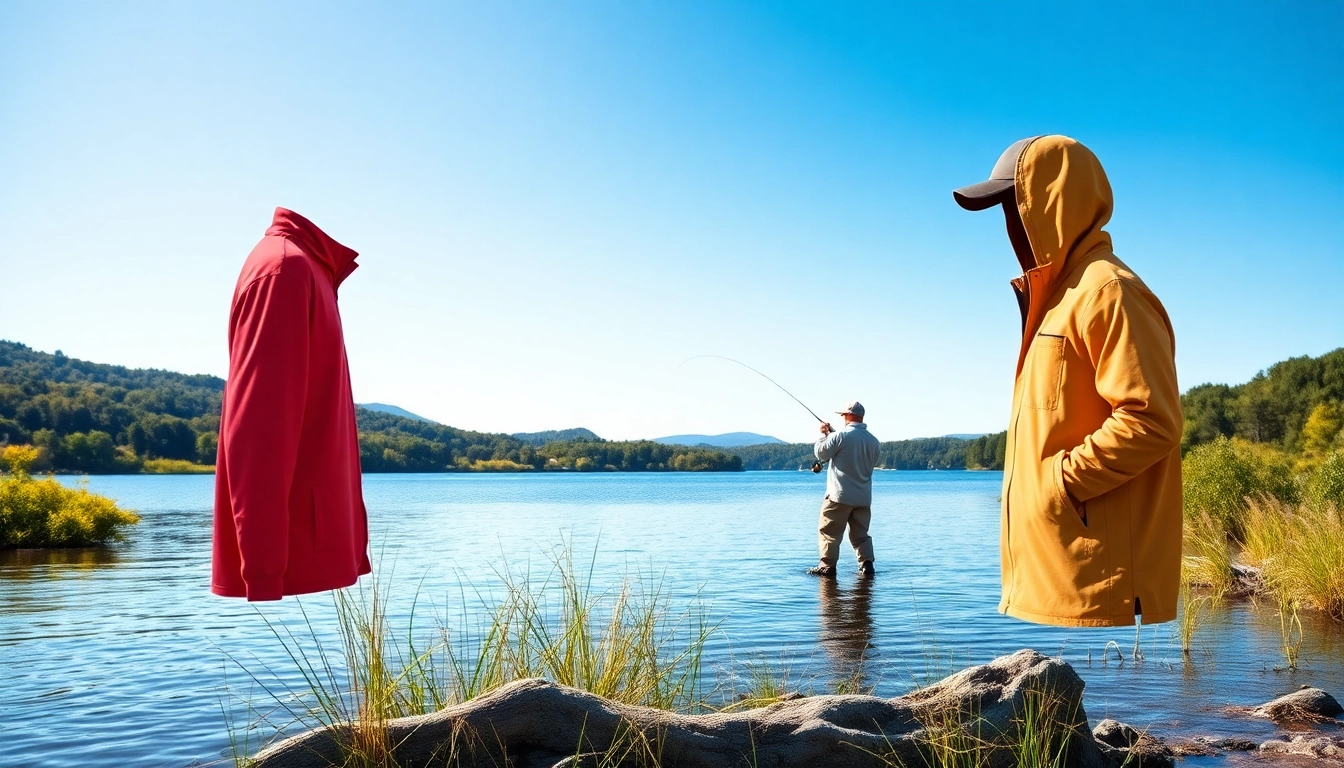
Fly fishing apparel refers to specialized clothing designed to enhance the experience of anglers while casting flies into lakes, rivers, or streams. Unlike ordinary fishing clothes, fly fishing apparel is crafted with specific features and technologies that cater to the unique challenges associated with the sport. From protective layers to moisture-wicking fabrics, these garments help create a comfortable, functional environment for anglers. Investing in high-quality fly fishing apparel not only enhances performance but also safeguards the wearer from outdoor elements and improves the overall fishing experience.
Key Features of Quality Gear
When selecting fly fishing apparel, understanding the key features that denote quality is essential. Here are some important characteristics to look for:
- Breathability: Fabrics with high breathability allow moisture to escape, keeping you dry and comfortable during warm weather.
- Water Resistance: Many fly fishing garments are treated with water-repellent coatings, ensuring that light rain or splashes don’t soak through.
- Durability: Quality apparel should withstand the rough and unpredictable environments anglers often face, from sharp rocks to dense vegetation.
- UV Protection: Sun protection is vital as extended exposure can lead to skin damage. Look for apparel that offers UPF (Ultraviolet Protection Factor) ratings.
- Fit and Mobility: The right fit is crucial for comfort and ease of movement, especially during casting and retrieval.
Choosing the Right Fabrics
The choice of fabric can make a significant impact on the effectiveness and comfort of fly fishing apparel. Popular materials used in fly fishing clothing include:
- Polyester: Known for its quick-drying properties, polyester is often blended with other materials to enhance breathability and moisture-wicking.
- Nylon: This synthetic fabric offers durability and resistance to abrasions, making it ideal for waders and outer layers.
- Merino Wool: A natural fiber that provides excellent thermal regulation and moisture management, merino wool is perfect for base layers.
- Gore-Tex: For waterproof requirements, Gore-Tex provides an exceptional barrier against water while allowing perspiration to escape.
Benefits of Specialized Apparel
Enhancing Comfort and Performance
Comfort is paramount when spending hours on the water. Specialized fly fishing apparel is designed to minimize discomfort caused by humidity, heat, or cold. For instance:
- Moisture Management: Fabrics that wick moisture away from the skin keep anglers cool and comfortable.
- Temperature Regulation: Layering systems enable anglers to adjust their clothing based on rapidly changing weather conditions.
- Padding and Reinforcement: Certain apparel pieces come with added padding in areas prone to wear, reducing fatigue and improving comfort.
When you are comfortable, your performance improves, allowing you to focus more on the art of fly fishing rather than your clothing.
Weather Protection Capabilities
Weather can be unpredictable, especially in rugged outdoor environments. Quality fly fishing apparel provides protection against the elements:
- Rain Gear: Waterproof jackets and bibs keep anglers dry during sudden downpours.
- Windbreakers: Lightweight jackets that block wind can be invaluable on breezy days, ensuring warmth without added bulk.
- Insulated Layers: For colder climates, layering with insulated mid-layers helps conserve body heat without sacrificing mobility.
Improved Mobility and Functionality
Mobility is critical when casting flies and maneuvering through various terrains. Fly fishing apparel is designed with functional features to enhance agility:
- Articulated Joints: Clothing designed with articulated joints allows for unrestricted movement, essential for casting.
- Strategic Pockets: Many fly fishing shirts and vests come with pockets specifically designed for easy access to tools and tackle.
- Ventilation Systems: Underarm vents or back mesh panels enhance airflow, keeping you comfortable during intense activity.
Top Brands in Fly Fishing Attire
Leading Manufacturers Overview
Several brands have made a name for themselves in the fly fishing apparel industry. Here’s a look at some elite manufacturers:
- Simms: Known for high-quality waders and outerwear, Simms offers an extensive range of fly fishing apparel designed for serious anglers.
- Patagonia: This environmentally conscious brand provides sustainable options without compromising on performance in its fly fishing line.
- Orvis: With a long legacy in fly fishing, Orvis offers a comprehensive collection that balances style and functionality.
- Columbia: Columbia is well-regarded for its innovation in outdoor apparel, offering many options for both casual and avid anglers.
Innovative Apparel Technologies
Many top brands incorporate innovative technologies into their fly fishing apparel, enhancing performance and rider safety:
- Omni-Shade: Columbia’s technology uses fabric treatment to block harmful UV rays.
- Waterproof Breathable Fabrics: Manufacturers are developing new fabrics that improve waterproof capabilities while maintaining breathability.
- Thermo-regulation: Some brands use innovative materials that adapt to body temperature changes, providing warmth when needed without overheating.
Brand Comparison for Performance
When choosing between brands, consider how they stack up in terms of performance, pricing, and functionality:
For example, while Simms waders may come at a premium price, their durability and comfort are unmatched. Conversely, Columbia offers mid-range pricing with excellent UV protection technologies, allowing consumers to find apparel that suits their budget and needs. Evaluating personal preferences alongside performance metrics will guide you in finding the right brand for your fly fishing adventures.
How to Choose the Right Fly Fishing Apparel
Assessing Your Fishing Environment
Your fishing environment plays a pivotal role in what apparel you should invest in. Consider the following factors:
- Climate: In warmer climates, lightweight, breathable fabrics are essential, whereas colder environments demand layering and insulation.
- Type of Water: Freshwater versus saltwater fishing may require different protective gear, particularly when dealing with salt's corrosive nature.
- Terrain: If fishing near rocky shores, durable, abrasion-resistant materials will be necessary.
Personal Style vs. Functionality
While functionality should lead your selection process, many angers also want to express personal style. Here are some tips to balance the two:
- Select Patterns and Colors: Bright colors and patterns can improve visibility in the water, while neutral tones may help you blend into the environment.
- Mix and Match: Combine different brands or pieces to achieve a look that is both stylish and functional.
- Accessorize: Hats, gloves, and neck gaiters can add personal flair while providing sun protection and comfort.
Budget Considerations and Value
Budgeting for fly fishing apparel can pose a challenge, but it's essential to balance cost with quality:
- Invest in Essentials: Prioritize purchasing quality essential items such as a good pair of waders, a lightweight, versatile outer layer, and proper footwear.
- Look for Sales and Discounts: Brands often offer seasonal discounts that can make high-quality apparel more accessible.
- Think Long-Term: While cheaper options may seem attractive, investing in premium items that last longer ultimately saves money over time.
Caring for Your Fly Fishing Gear
Cleaning Techniques for Longevity
To maintain the quality and functionality of your fly fishing apparel, proper cleaning is crucial:
- Follow Care Labels: Always adhere to the manufacturer’s washing instructions to avoid damaging fabrics or coatings.
- Use Technical Wash: Specialized laundry detergents remove dirt without stripping away water-resistance and breathability.
- Air Dry: Instead of using a dryer, which can damage fabric treatments, air dry your apparel to preserve its integrity.
Storage Best Practices
Proper storage prevents wear and tear on your gear:
- Store in a Cool Dry Place: Avoid exposing garments to high temperatures or direct sunlight when storing.
- Use Garment Bags: Invest in breathable garment bags to protect your apparel from dust and moisture during storage.
- Avoid Folding: Hanging your fly fishing apparel can avoid creasing and preserve its form.
Repairing and Upcycling Apparel
Even the highest-quality fly fishing apparel can suffer from wear over time. Knowing how to repair and upcycle your gear can extend its life:
- Patch Holes: Use fabric patches or iron-on adhesives to repair small holes in jackets or waders.
- Waterproofing Treatments: Regularly reapply DWR (Durable Water Repellent) treatments to maintain water resistance on outer layers.
- Upcycling Options: Consider repurposing old clothing into new gear, such as transforming an old fishing shirt into a fishing bag or accessory.
In conclusion, investing in quality fly fishing apparel is a vital component of any angler’s equipment. By focusing on the specific needs dictated by the fishing environment, understanding key apparel features, and taking proper care of gear, anglers can significantly enhance their fishing experiences while preserving their investments for years to come.