

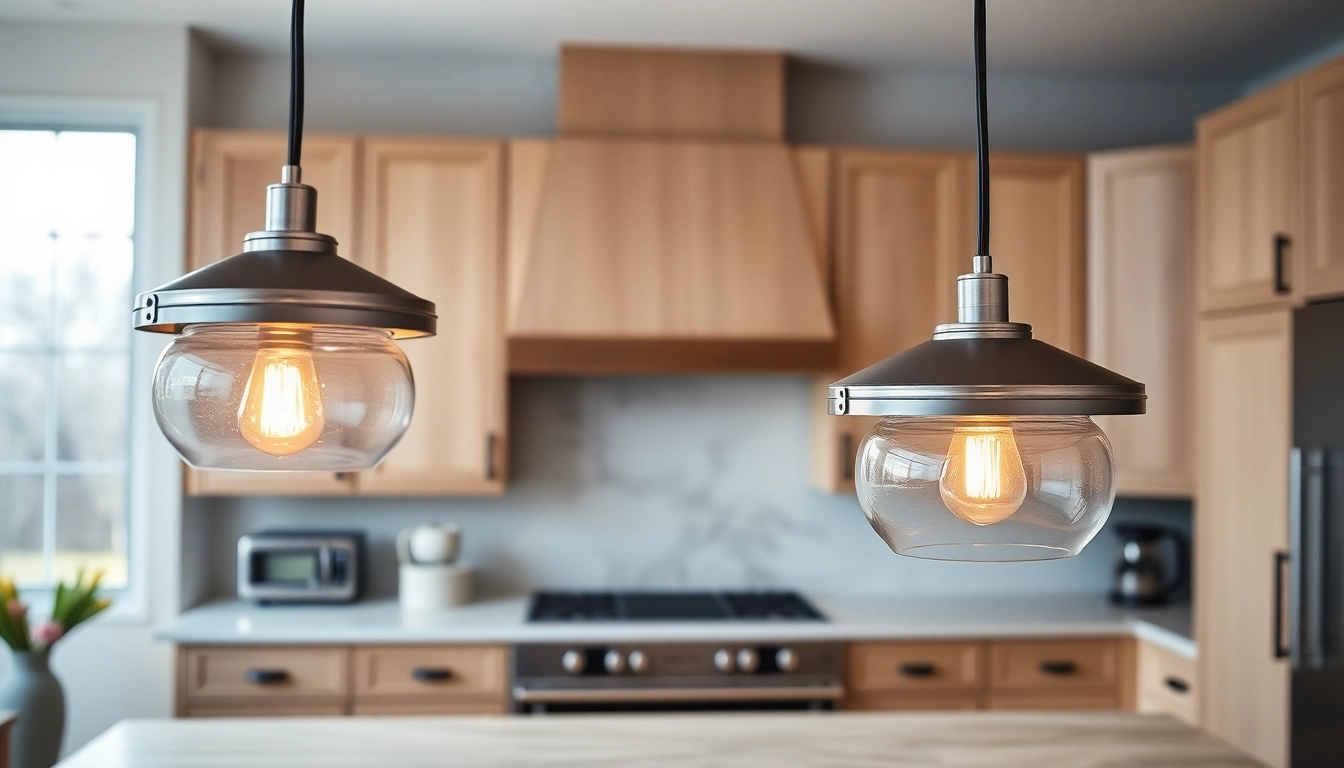
Choosing the Perfect Island Light Fixtures
When it comes to enhancing the beauty and functionality of your kitchen, island light fixtures play a crucial role. These fixtures not only provide necessary illumination but also serve as a focal point that can complement your kitchen’s design. However, with various styles and features available, selecting the right one can be overwhelming. This guide will help you navigate the world of island light fixtures.
Understanding Different Styles
Island light fixtures come in a myriad of styles, each serving a unique purpose and aesthetic. Understanding the various styles can help you choose a fixture that aligns with your kitchen’s overall theme.
- Modern: Characterized by clean lines and minimalistic designs, modern island light fixtures often utilize materials like metals and glass. They work well in contemporary kitchens where simplicity and elegance are key.
- Industrial: These fixtures often incorporate exposed bulbs and raw materials, giving your kitchen a rugged and unfinished look. Industrial style fixtures blend beautifully with rustic or vintage decor.
- Traditional: Featuring ornate details and classic shapes, traditional island light fixtures bring a timeless charm to your kitchen. They often use materials such as bronze or wrought iron.
- Farmhouse: Emulating a cozy, rustic feel, farmhouse fixtures typically use wood and metal. These fixtures create a warm, inviting atmosphere, ideal for a family-focused kitchen.
- Transitional: Striking a balance between traditional and modern, transitional fixtures allow versatility in design. They can blend with a variety of decor styles and are excellent for those seeking a harmonious look.
Key Features to Consider
Selecting the right island light fixture involves examining key features that affect both aesthetic appeal and functionality:
- Size: The dimensions of the fixture should be proportionate to the size of your island. A good rule of thumb is to allow 1-2 feet of fixture length for every 6 feet of island length.
- Height: The standard hanging height for fixtures over an island is 30-36 inches above the countertop to provide ample illumination without obstructing views.
- Bulb Compatibility: Consider the type of bulbs the fixture uses. Fixtures designed for LEDs not only save energy but also offer a wide range of brightness options.
- Color and Finish: Choose a finish that complements your kitchen’s color palette. Popular options include brushed nickel, oil-rubbed bronze, and matte black.
- Adjustability: Look for fixtures that allow you to adjust height or intensity. This feature enhances versatility, letting you customize lighting based on occasion or need.
Matching Fixtures with Your Theme
To create a cohesive look, it is vital to match your island light fixtures with the kitchen’s overall theme. Here are some strategies:
- Complement Other Lighting: Ensure your island fixture aligns with other lighting in the area, such as pendant lights or wall sconces, for a unified design.
- Mix Materials Thoughtfully: When combining different materials, aim for balance. A wooden fixture can match metal accents, for instance, but ensure styles don’t clash.
- Color Coordination: Match fixture colors with kitchen cabinetry, countertops, and appliances. This adds depth and visual intrigue.
- Focus on Scale: Consider the scale of your island’s design and size when selecting fixtures. Oversized fixtures can be striking, while smaller ones can blend seamlessly.
Installation Guide for Island Light Fixtures
Installing island light fixtures may seem daunting, but with the right tools and steps, it can be a straightforward process. Follow this guide to ensure a proper, safe installation.
Tools You’ll Need
Before you begin, gather the necessary tools:
- Drill
- Screwdrivers (flathead and Phillips)
- Wire cutters/strippers
- Measuring tape
- Level
- Pencil
- Wire nuts
- Electrical tape
Step-by-Step Installation Process
- Turn Off Power: Ensure that the electrical circuit supplying the area is turned off to avoid any accidents during installation.
- Measure Hanging Height: Determine the ideal height for your fixture, marking the spot on the ceiling with a pencil.
- Install the Mounting Bracket: Attach the mounting bracket to the ceiling, making sure it is secure and level.
- Wiring the Fixture: Connect the fixture’s wires to the provided wires in the ceiling. Ensure you match corresponding colors (i.e., black to black, white to white) and secure connections with wire nuts.
- Attach the Fixture: Once wired, attach the fixture to the bracket and ensure it is secured tightly.
- Test the Installation: Turn the power back on and test the fixture to ensure it functions correctly.
Safety Tips to Keep in Mind
Safety should always be a priority when working with electrical installations. Keep these tips in mind:
- Always turn off the power at the circuit breaker before starting any electrical work.
- Use a voltage tester to confirm that the wires are not live before touching them.
- Ensure all connections are secure to prevent short circuits or fires.
- If you’re uncomfortable with electrical work, consider hiring a professional electrician.
Maintenance Tips for Island Light Fixtures
Once your island light fixtures are installed, regular maintenance will help ensure they remain both functional and attractive. Here are some maintenance tips:
Cleaning Techniques
Proper cleaning will preserve the appearance and performance of your fixtures:
- Use a soft, dry cloth to dust off any accumulated debris.
- For fixtures with glass shades, use a glass cleaner and a microfiber cloth to prevent scratches.
- Avoid abrasive cleaners as they can damage the finish.
Replacing Bulbs Effectively
Over time, bulbs will need to be replaced. Follow these tips for effective replacement:
- Turn off the power before replacing bulbs to ensure safety.
- Choose the right type and wattage of bulbs to ensure compatibility with your fixture.
- Allow bulbs to cool before touching, as they can become very hot.
When to Seek Professional Help
Although many maintenance tasks can be done DIY, there are times when it’s best to call in a professional:
- If you notice flickering lights, which could signal an issue with the electrical system.
- When dealing with complex wiring, electrical codes may require a licensed electrician.
- If fixtures are sagging or not hanging straight, it may indicate structural issues that need expert assessment.
Benefits of Installing Island Light Fixtures
There are numerous advantages to installing island light fixtures in your kitchen:
Aesthetic Enhancements
Island light fixtures can dramatically enhance the visual appeal of your kitchen, serving as a statement piece. They come in various styles that can complement or contrast with your existing decor, adding personality and style.
Improved Functionality
Good lighting is essential for kitchen tasks. Properly positioned island light fixtures illuminate work areas efficiently, making meal preparation safer and more enjoyable. They also can reduce shadows that might impede visibility.
Boosting Home Value
Upgrading your kitchen with stylish island light fixtures can increase your home’s appeal to potential buyers. The kitchen is often seen as the heart of the home, and a well-lit, attractive kitchen can be a significant selling point.
FAQ about Island Light Fixtures
What is the best height for hanging island light fixtures?
Typically, the bottom of the fixtures should be 30-36 inches above the countertop for optimal illumination.
Can I mix different styles of island light fixtures?
Yes, mixing styles can create a unique look, ensuring they complement each other in color and scale.
What types of bulbs are suitable for island light fixtures?
LED bulbs are commonly recommended due to their energy efficiency and variety of brightness options.
Are there specific size recommendations for island light fixtures?
Yes, the size should be proportionate to the island; a general guideline is 1-2 feet of light fixture length for every 6 feet of island length.
How do I create a cohesive look with my island light fixtures?
Ensure the fixtures match or complement other lighting elements in the area, considering style, finish, and size.