

Understanding LVP Flooring
What is LVP Flooring?
Benefits of LVP Flooring
LVP flooring offers numerous advantages, making it a popular choice among homeowners and designers. Firstly, its resilience against moisture makes it ideal for areas prone to spills, such as kitchens and bathrooms. The surface is also resistant to scratches and dents, ensuring longevity, particularly in high-traffic areas. Additionally, LVP is relatively easy to install, often available in click-lock designs that facilitate DIY installation. The comfort underfoot provided by LVP, combined with its ability to reduce noise compared to harder surfaces, enhances the overall living experience. Moreover, LVP flooring usually comes at a budget-friendly price, allowing you to achieve an upscale appearance without breaking the bank.
Variations in LVP Flooring Styles
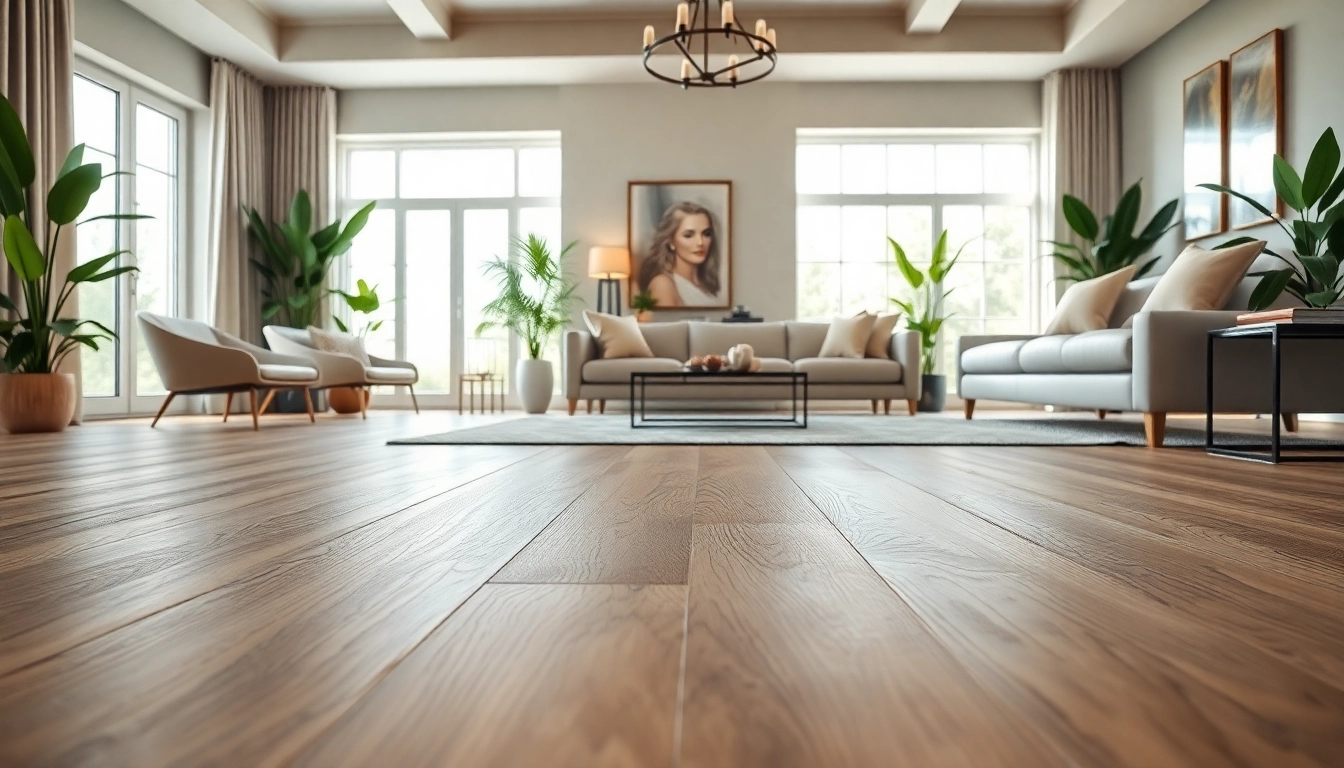
When it comes to LVP flooring, variety is one of its key selling points. Homeowners can choose from a wide range of styles, finishes, and colors. Each option can mimic natural materials, such as oak, maple, or slate, providing the warmth and richness of real wood or stone without the disadvantages. Additionally, LVP can be found in different formats, including wide planks and tile formats. This flexibility allows for creative design opportunities, enabling homeowners to achieve unique aesthetics tailored to their personal tastes. Customization extends even further with diverse textures that replicate natural grain patterns and surfaces, enhancing realism. The availability of various finishes, from matte to gloss, also allows for coordination with existing décor.
Choosing the Right LVP Flooring for Your Home
Assessing Space Needs
The first step in selecting LVP flooring is to assess your space needs. Different areas of your home have varying demands based on foot traffic, moisture exposure, and overall design goals. For instance, a bustling hallway may benefit from a more durable plank with a robust wear layer, while a dining room could prioritize aesthetic appeal. Understanding the specific requirements of each room will help guide your choice, ensuring the selected flooring enhances functionality and style. Measure the areas and consider usage patterns, as this will aid in selecting the right product.
Color and Style Considerations
Color and style choice significantly impact the overall ambiance of your space. LVP comes in a multitude of shades ranging from light to dark tones. Lighter colors, like beige or driftwood, can make small spaces feel larger and brighter, while dark tones like walnut or ebony lend a sophisticated and cozy feel. Consider the existing colors in your home—walls, furniture, and decor—when selecting a color palette. Additionally, stylistic elements like texture and grain can create varying effects, from rustic charm to ultra-modern looks. It’s beneficial to bring home sample planks to see how they interact with your lighting before making a final decision.
Evaluating Durability and Maintenance
Durability is a critical factor when choosing LVP flooring, particularly for homes with pets or young children. High-quality LVP options feature thicker wear layers that contribute to enhanced resistance against scratches, stains, and fading. Look for products that come with warranties, typically ranging from 15 to 30 years, to understand the expected lifespan. Maintenance for LVP is minimal, requiring regular sweeping and occasional mopping with a gentle cleaner. Avoid harsh chemicals that can damage the surface. Understanding these durability aspects and upkeep requirements will ensure that your choice continues to enhance your home for years to come.
Installation Process for LVP Flooring
Preparing Your Space
Proper preparation is key to a successful LVP flooring installation. Start by removing any existing flooring and cleaning the subfloor thoroughly. It’s essential to ensure that the subfloor is flat, dry, and clean—any imperfections can affect the installation and the product’s lifespan. If leveling is necessary, consider using a leveling compound to fill in dips or high spots. Allow the subfloor to dry completely before proceeding with installation to prevent any moisture-related issues that could compromise your new flooring.
DIY vs. Professional Installation
Deciding between DIY installation and hiring professionals depends on your confidence level, budget, and availability. LVP flooring installation is designed to be user-friendly, especially with click-lock systems that don’t require adhesive or nails. However, if you lack experience or wish to save on time, hiring a professional may be the best route. Professionals can often complete the job quicker and with meticulous attention to detail, which can be particularly beneficial for complex layouts or large areas. It’s advisable to consider your specific situation and prioritize the option that aligns with your needs.
Common Installation Mistakes to Avoid
Even with user-friendly products, mistakes can occur during installation. One common error is failing to acclimate the planks to the room temperature and humidity, which can lead to expansion or contraction post-installation. Additionally, not allowing for expansion gaps around edges can cause buckling. Ensuring precise measurements and following manufacturer guidelines is crucial for a seamless result. Consider using a utility knife and a straight edge for accurate cuts and invest in a rubber mallet to ensure planks fit snugly without damaging the edges.
Caring for Your LVP Flooring
Daily Maintenance Tips
Maintaining LVP flooring is straightforward. Regular sweeping with a soft-bristle broom or vacuuming with a hard floor attachment is essential to remove dirt and debris. Occasional mopping with a damp mop and a gentle cleaner will help keep the surfaces looking pristine. It’s wise to avoid excessive water, as standing water can seep between planks and cause damage. Establishing a regular cleaning routine will extend the life and aesthetic of your flooring.
Dealing with Scratches and Stains
Although LVP is resistant to scratches, accidental damage can occur. For minor scratches, a gentle buffing with a microfiber cloth may restore the appearance. More significant scratches can often be treated with a vinyl repair kit that matches your flooring color. Stains can typically be removed using a soft cloth and a mild detergent; however, it’s essential to test any cleaning solution in an inconspicuous area first. Quick action when dealing with spills will prevent stains from setting in, maintaining the beauty of your LVP flooring.
Long-term Care Practices
Long-term care of LVP flooring involves avoiding practices that may harm the surface. It’s advisable to use felt pads on the feet of furniture to prevent scratches and to avoid dragging heavy items across the floor. Additionally, placing doormats at entrances can minimize dirt and debris brought in from outside. Since LVP can be sensitive to heat, using curtains or blinds to protect the flooring from direct sunlight can prevent fading. Following these practices will help sustain the longevity and beauty of your LVP flooring over time.
LVP Flooring Versus Other Flooring Options
Comparing Costs and Value
When considering flooring options, cost and value are pivotal. LVP typically offers a more affordable solution compared to hardwood and natural stone, both in initial pricing and installation costs. While high-end LVP products may approach the price of lower-end hardwood, they frequently come with better durability and less maintenance. LVP also presents a great value in terms of longevity—outlasting some traditional materials when properly maintained. Evaluating long-term costs against initial investments can help you appreciate the value proposition LVP offers.
Longevity and Environmental Impact
Longevity is a strong advantage of LVP, with many products yielding a lifespan of 10 to 30 years under suitable conditions. While traditional hardwood may be refinished and restored, LVP does not typically allow the same restoration options. However, LVP often has a lower environmental impact due to its manufacture that uses less natural resource depletion compared to hardwood. Furthermore, many LVP brands offer recyclable options, making them a more sustainable choice for eco-conscious consumers.
Customer Satisfaction and Reviews
Customer satisfaction is essential when evaluating flooring options. Reviews for LVP flooring generally highlight its practicality, aesthetics, and ease of maintenance as key positives. Customers appreciate the variety of styles that allow for personalization in their spaces. However, some reviews may mention concerns about long-term wear in high-traffic areas where lesser quality products may show signs of aging faster. Researching product options thoroughly and considering products with high customer ratings can guide your decision-making process effectively.
Frequently Asked Questions
1. How do I clean LVP flooring?
Regular dusting and damp mopping with a mild detergent will keep LVP floors clean. Avoid soaking the floor with water.
2. Can I install LVP over existing flooring?
Yes, LVP can often be installed over various existing flooring types, provided the surface is clean and level.
3. Is LVP flooring waterproof?
Most LVP flooring is water-resistant or waterproof, making it suitable for moisture-prone areas like bathrooms and kitchens.
4. How long does LVP flooring last?
With proper care and maintenance, high-quality LVP flooring can last anywhere from 10 to 30 years.
5. Can I refinish LVP flooring?
No, LVP cannot be refinished like hardwood; if damaged, replacement of planks is usually necessary.