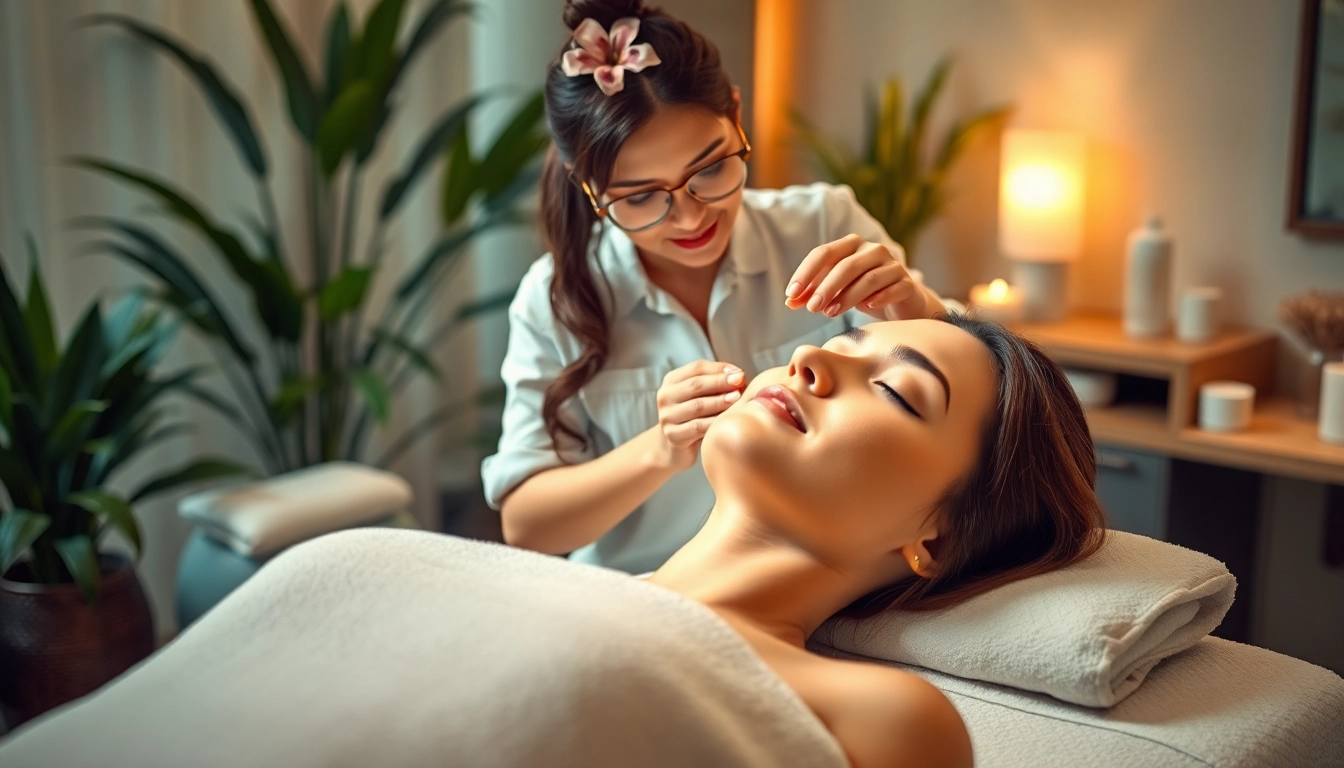
Understanding Face Treatments
Taking care of our skin is vital, and Face Treatments offer a range of strategies to improve skin health and appearance. These treatments can help mitigate various skin issues, provide rejuvenation, and promote a glowing complexion. In a world flooded with skincare products, knowing what constitutes a face treatment can set the stage for effective skincare regimens.
What Are Face Treatments?
Face treatments refer to various procedures and applications designed to enhance skin appearance. They are typically performed by skincare professionals and can range from simple facials to more advanced therapies like chemical peels and laser treatments. These treatments aim to cleanse, exfoliate, nourish, and rejuvenate the skin, addressing concerns such as acne, dryness, aging, and uneven skin tone.
Benefits of Face Treatments
Face treatments come with a plethora of benefits. Some of the key advantages include:
- Deep Cleansing: Professional treatments often provide deeper cleansing than usual home routines.
- Exfoliation: They help remove dead skin cells, leading to a fresher appearance.
- Hydration: Many treatments infuse moisture into the skin, combating dryness.
- Addressing Skin Issues: Whether you're dealing with acne, pigmentation, or signs of aging, targeted treatments can help.
- Relaxation: The experience can be therapeutic, promoting mental well-being.
Who Can Benefit from Face Treatments?
Face treatments are beneficial for individuals of all skin types and ages. Whether you have oily, dry, sensitive skin, or are dealing with specific issues like acne or aging signs, there are treatments tailored to meet your needs. Additionally, men and women alike can enjoy the rejuvenating effects and improve their overall complexion.
Types of Face Treatments
Understanding the various types of face treatments is crucial for selecting the right one for your skin concern. Below, we delve into some popular options.
Chemical Peels
Chemical peels involve applying a solution to the skin to remove the outer layers, revealing fresh, new skin underneath. They can effectively treat a variety of issues, including:
- Fine Lines: Reduces the appearance of fine lines and wrinkles.
- Acne Scars: Helps diminish the look of acne scars.
- Sun Damage: Can improve sun-damaged skin texture.
Microdermabrasion
Microdermabrasion is a less invasive procedure that uses tiny crystals to gently exfoliate the skin. This treatment can help with:
- Skin Texture: Smooths rough skin.
- Uneven Tone: Brightens and evens out skin tone.
- Pore Size: Minimizes the appearance of enlarged pores.
Hydration Treatments
These treatments focus on infusing moisture back into the skin, which is essential for keeping it supple and healthy. Commonly utilized products during these treatments include hydrating masks and serums rich in hyaluronic acid and vitamins. Benefits include:
- Restoring Moisture: Revitalizes dry skin.
- Improving Elasticity: Boosts skin’s elasticity, reducing sag.
- Soothing: Calms irritated skin.
Selecting the Right Face Treatments
Choosing the perfect face treatment can be overwhelming given the wide variety available. Here are a few considerations to keep in mind.
Skin Type Considerations
Your skin type plays a significant role in deciding which treatment is most appropriate. For example:
- Oily Skin: Treatments that exfoliate and cleanse deeply are beneficial.
- Dry Skin: Opt for hydration-focused treatments.
- Sensitive Skin: Gentle treatments that avoid harsh ingredients should be chosen.
Consulting a Professional
Before undergoing any treatments, consulting a skincare professional or dermatologist is essential. They can assess your skin type, discuss your goals, and recommend the most effective treatments tailored for you.
Customized Treatment Plans
Every individual is unique, and so are their skincare needs. Customized treatment plans that combine various therapies can lead to optimal results. This approach may include a mix of facials, peels, and hydration treatments, spaced out over time for significant improvements.
Preparing for Face Treatments
Preparation is key to maximizing the benefits of your face treatments. Below are essential steps to ensure you achieve the best results.
What to Expect
Face treatments vary in duration and intensity but generally involve a consultation, a treatment session, and aftercare advice. Expect a comfortable environment designed to enhance your relaxation.
Pre-Treatment Guidelines
To prepare, consider the following tips:
- Avoid Sun Exposure: Reduce sun exposure a few days before treatment.
- Consult on Medications: Discuss any medications with your therapist, especially those affecting your skin.
- Clean Skin: Arrive with clean skin and avoid heavy makeup.
Post-Treatment Care
Post-treatment care is pivotal in sustaining the benefits achieved. Adhere to recommended routines, such as:
- Moisturizing: Keep skin hydrated with quality products.
- Sun Protection: Always apply sunscreen to protect sensitive skin.
- Avoid Makeup: Delay the use of products until your skin has healed, as advised.
Frequently Asked Questions About Face Treatments
How often should you get Face Treatments?
It's generally recommended to have treatments every 4 to 6 weeks, but this can vary based on your skin's specific needs.
Are there risks associated with Face Treatments?
While most face treatments are safe, there are potential risks such as redness, irritation, or allergic reactions, especially if you have sensitive skin.
Can Face Treatments help with acne scars?
Yes, treatments like chemical peels and microdermabrasion can significantly reduce the appearance of acne scars over time.
What is the average cost of Face Treatments?
Costs can vary widely, ranging from $50 for basic facials to several hundred dollars for specialized treatments like laser therapies.
How long do the results of Face Treatments last?
Results can last anywhere from a few days to several months, depending on the treatment and individual skin response.