

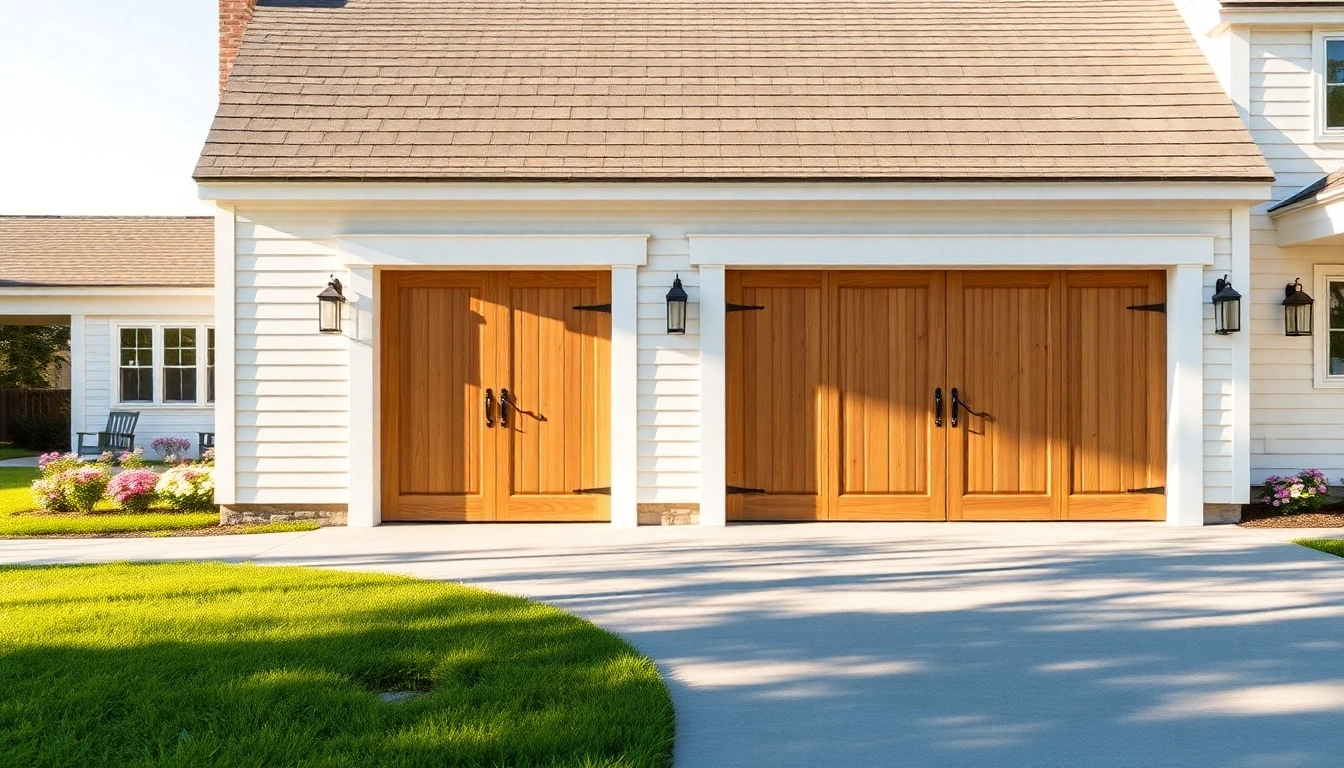
Understanding Cape Cod Home Addition Concepts
Defining Cape Cod Home Addition
A cape cod home addition typically refers to expanding or enhancing a traditional Cape Cod-style house, characterized by its picturesque sloped roof, dormer windows, and simple, classic lines. This addition can take many forms, including extra bedrooms, a modern kitchen, or even additional living spaces like sunrooms or home offices. The goal is to maintain the home’s original charm while improving its functionality and space.
Benefits of Adding Space
There are numerous advantages associated with adding space to your Cape Cod home. First, a home addition can significantly enhance your property’s value, providing a substantial return on investment (ROI). Additionally, it allows for better accommodation of family needs, whether through increased bedrooms, expanded living areas, or the integration of features like an attached garage.
Furthermore, a well-planned addition can improve the aesthetic appeal and functionality of your home, creating areas designed for relaxation, entertainment, or work, according to modern lifestyle requirements. Moreover, with thoughtful architectural design, you can ensure that the new addition complements your existing structure, maintaining harmony in style and design.
Common Styles and Designs
When considering a cape cod home addition, it’s essential to explore common styles and designs that work cohesively with the original architecture. For example, gable additions that mirror the existing roofline can enhance the home’s classic appearance. Other popular options include the incorporation of front porches or the addition of open concept layouts that merge indoor and outdoor spaces seamlessly.
Additionally, integrating materials such as wood clapboard and shingles will preserve the authentic look of a Cape Cod home while introducing modern enhancements. Skylights and large windows can be utilized to bring in natural light, creating a warm and inviting atmosphere. Each design choice not only enhances aesthetic but also carefully considers functionality to improve how your family lives in the space.
Planning Your Cape Cod Home Addition
Key Considerations for Design
Planning a successful cape cod home addition involves several key design considerations to ensure it meets your needs and enhances your lifestyle. The first step is determining the purpose of the addition. Is it extra living space for a growing family, or perhaps a dedicated area for hobbies? Identifying this will guide your design choices.
Another vital consideration is how the addition fits within the existing home’s architecture. It’s crucial to maintain a cohesive look and feel, avoiding designs that clash with the home’s original character. This often means selecting appropriate roofing styles, siding materials, and window designs. Consulting with a professional architect or designer who specializes in Cape Cod architecture can be beneficial at this stage.
Permits and Regulations
Before commencing any construction, it’s essential to understand the permits and regulations that apply to home additions. Local zoning laws may dictate the extent of modifications you can make, including the size and height of your addition. Additionally, historical preservation guidelines could be applicable, especially in areas that emphasize maintaining traditional architectural styles.
Securing the necessary permits may involve submitting detailed plans to your local building department and possibly undergoing inspections during the construction process. It’s advisable to start this process early, as acquiring the required permissions can take time and may affect your overall timeline.
Budgeting for Your Project
Budgeting is a critical aspect of planning a cape cod home addition. Begin by estimating the costs associated with materials, labor, permits, and any architectural fees. It’s wise to add a contingency of 10-20% to anticipate unexpected expenses that may arise during construction.
Often, the choice of materials can significantly influence your budget. For instance, while natural stone may be more expensive than vinyl siding, it also requires less maintenance and could improve your property’s value in the long run. Therefore, engaging in thorough planning and prioritizing necessary versus desired components will help you create a balanced financial plan.
Designing an Attached Garage
Functional Layouts for Your Attached Garage
Incorporating an attached garage into your cape cod home addition can add both convenience and value to your home. When designing the garage, consider a functional layout that optimizes space for vehicles while also providing room for storage and tools. The most common layouts include single or double-car garages, which can be designed with side entrances for easy access to your home without the need to go through the garage.
Further, including built-in storage solutions such as shelving and cabinetry can help maintain a clutter-free environment. Consideration for future needs, such as adding electric vehicle charging stations or bigger storage areas for outdoor gear, can ensure your garage remains a practical space for years to come.
Choosing Materials and Finishes
The materials and finishes selected for your attached garage are crucial for both functionality and aesthetic appeal. Choosing high-quality materials, such as insulated doors and durable siding that match your existing home, will ensure longevity and energy efficiency. High-quality paint finishes designed for exterior uses can help withstand weather conditions while maintaining the visual cohesion of your Cape Cod home.
Additionally, consider the practicality of different flooring options. Concrete is a popular choice due to its durability and ease of maintenance, while epoxy coatings can enhance aesthetic appeal and longevity. Ultimately, balancing cost with quality is paramount to creating a long-lasting space.
Maximizing Natural Light in Garage Spaces
Garages often suffer from a lack of natural light, but there are numerous strategies for enhancing light flow. Skylights and large windows can significantly brighten up a garage, creating an inviting atmosphere for not just cars but also hobby or workspace arrangements. If privacy is a concern, consider frosted glass options that still allow light in without compromising on seclusion.
Using light-colored materials on walls and floors can help reflect light, making the space feel larger. Additionally, incorporating adequate lighting fixtures like LED strips or motion-sensor lights can illuminate the area effectively, especially for night-time use.
Landscaping Around Your Cape Cod Home Addition
Creating Curb Appeal with Landscaping
Landscaping can play a pivotal role in enhancing the curb appeal of your cape cod home addition. By incorporating a variety of plants that resonate with the local environment, you can create a stunning visual presentation that complements your new addition. Native plants are a practical choice as they require less maintenance and are typically more resilient to local weather conditions.
Formal garden arrangements or informal flower beds can provide a beautiful frame for your home. Pathways leading to the entry points or around the garage can denote structure and style while enhancing accessibility. Including lighting in your landscape design not only elevates aesthetics after dark but also offers safety and security.
Integrating Outdoor Spaces
The transition between your indoors and outdoors is vital for maximizing the utility of your addition. If your project includes a deck or patio, this can become an extension of your living area. Choose materials that resonate with the interior style of your home, and consider installing features like outdoor seating areas or kitchens that encourage family gatherings and relaxation.
Creating zones for various activities, such as play areas for children, gardens, or serene spaces for reading, can transform your outdoor space into a functional and beautiful extension of your home, promoting connectivity with nature and enhancing time spent outdoors.
Maintenance Tips for Outdoor Areas
Maintaining the landscaping and outdoor areas around your cape cod home addition is essential to keep your home looking its best. Regular maintenance should include weeding, mulching, and seasonal planting to ensure a vibrant landscape. Invest in durable outdoor furniture that can withstand weather conditions while ensuring a comfortable seating area.
Additionally, routine checks on irrigation systems, drainage, and light fixtures will prevent future issues. A well-maintained exterior not only enhances curb appeal but ensures your investment retains its value over time.
FAQs About Cape Cod Home Addition
What is a Cape Cod home addition?
A Cape Cod home addition expands your property by adding new living spaces while maintaining the traditional architectural style associated with Cape Cod homes.
How long does a home addition take?
The timeline for a home addition can vary significantly but typically ranges from a few months to over a year, depending on the scope and complexity of the project.
What permits are needed for an attached garage?
Permits for an attached garage often include building and zoning permits, which ensure compliance with local regulations and can vary based on your location.
How much does a typical Cape Cod home addition cost?
The cost of a Cape Cod home addition can vary widely, typically ranging from $100 to $300 per square foot, depending on features and materials chosen.
Can I add a second story to my Cape Cod addition?
Yes, adding a second story is possible, but it’s essential to check local regulations and ensure structural integrity. Consulting an architect is advisable.