Understanding Sliding Shower Door Designs
Types of Sliding Shower Doors
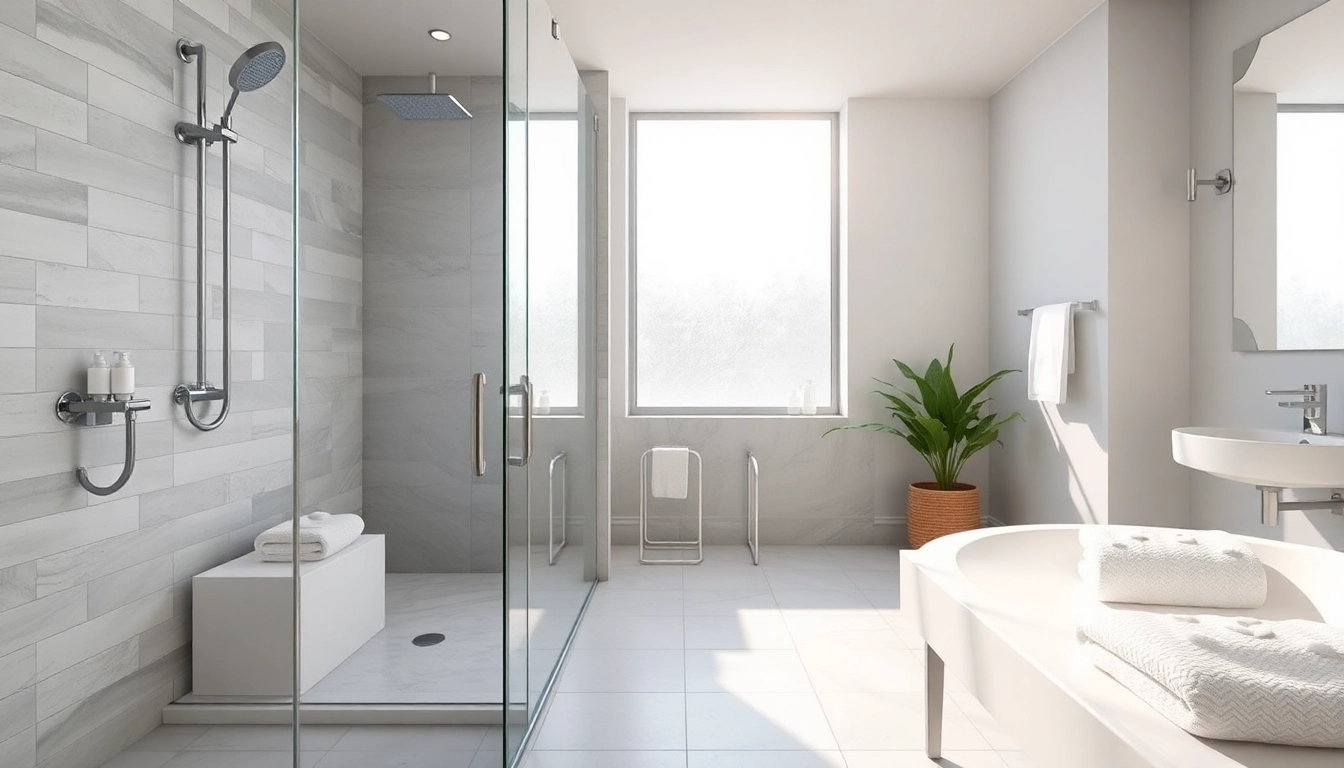
Sliding shower doors come in several designs, each offering unique aesthetics and functionality. The most common types include framed, semi-frameless, and frameless sliding doors. Framed shower doors feature a metal frame that encompasses the glass, providing a traditional look and added durability. Semi-frameless options have less framing, which gives them a modern appearance while still offering sturdy support. Frameless sliding shower doors use thicker glass and are known for their minimalist design, creating a seamless look that enhances visibility and showcases tile work in the shower.
Benefits of Sliding Shower Doors
One of the primary advantages of a sliding shower door is its space-saving design. Unlike traditional hinged doors that swing outward, sliding doors only move side to side, making them ideal for smaller bathrooms where space is at a premium. Additionally, these doors provide a sleek, modern appearance that can enhance the overall look of your bathroom. They are also easy to operate, offering a smooth transition in and out of the shower, which is particularly beneficial for individuals with mobility challenges.
Materials Used in Sliding Shower Doors
The materials used for sliding shower doors are critical in determining their durability and aesthetic appeal. Common materials include tempered glass, which is known for its strength and safety, as it shatters into small pieces rather than sharp shards. The frames are typically made from stainless steel, aluminum, or plastic, with stainless steel being the most resistant to rust and corrosion. The choice of material greatly affects the door's weight, ease of use, and the overall design of the bathroom.
Measuring for a Sliding Shower Door
Essential Measurements to Consider
Accurate measurements are essential for a successful sliding shower door installation. Begin by measuring the width of the shower opening at both the top and bottom, ensuring to account for any variations due to wall irregularities. The height measurement should be taken from the shower base to the top of the shower opening. It’s also crucial to assess the available space on either side of the door to allow for smooth operation. Remember to document these measurements carefully; even a small error can lead to an improper fit.
Common Installation Challenges
While installing a sliding shower door can be a straightforward process, several common challenges may arise, primarily related to uneven walls or floors. If the wall framing is not plumb, it can cause the door to not operate correctly. Additionally, ensuring the proper alignment of the track is critical for smooth operation. Homeowners should also consider pre-existing plumbing or electrical fixtures that may interfere with the door installation. Proper planning and measurement can help mitigate these challenges significantly.
Tools Needed for Installation
Before beginning the installation of a sliding shower door, it’s crucial to gather all the necessary tools. Basic tools include a level to ensure that the track is installed perfectly straight, a drill for securing screws, a tape measure for accuracy, and a screwdriver. Additionally, you may need a rubber mallet or a hammer for gently fitting components together and a stud finder to locate wall supports. Having these tools at hand will streamline the installation process.
Styles and Aesthetics of Sliding Shower Doors
Framed vs. Frameless Sliding Shower Doors
Choosing between framed and frameless sliding shower doors often comes down to personal preference and bathroom style. Framed doors offer a more traditional look and are generally more cost-effective. Conversely, frameless doors provide a modern, upscale appearance and allow for a more open feeling in the bathroom. They are ideal for showcasing beautiful tile or stone work in the shower, elevating the overall design aesthetic.
Choosing the Right Glass Type
The glass type for sliding shower doors can greatly influence both safety and style. Options include clear glass, which offers an unobstructed view, and frosted glass that provides privacy while still allowing light to enter. Consider the thickness of the glass as well; thicker glass not only enhances safety but also adds a sense of luxury to the shower space. Anti-fog and water-repellent treatments are additional features that can enhance the user experience.
Color and Finish Options
Sliding shower doors come in various color and finish options, allowing homeowners to match them with their bathroom décor. Common finishes include chrome, brushed nickel, oil-rubbed bronze, and matte black. Each finish has distinct characteristics that can either blend into the bathroom or stand out as a focal point. When choosing a finish, consider factors like maintenance and water spots, as some finishes are more resistant to staining than others.
Maintenance and Care for Sliding Shower Doors
Cleaning Tips for Glass Shower Doors
Maintaining sliding shower doors is essential for ensuring their longevity and functionality. Regular cleaning helps prevent soap scum and mineral buildup. Opt for vinegar-based solutions or specialized shower door cleaners to cut through grime effectively. Using a squeegee after each shower can significantly reduce water spots and keep the glass looking clear. For framed doors, pay special attention to the tracks, which can accumulate debris, affecting the door's movement.
Preventing Common Issues
Preventive measures can help address common issues that arise with sliding shower doors. Regularly checking and lubricating the tracks can prevent sticking and squeaking noises. Additionally, watch for signs of wear on the seals and caulking, which may need replacement to prevent leaks. Keeping the shower environment dry and ventilated can also help mitigate mold and mildew problems.
When to Call a Professional
If you encounter persistent issues such as water leaks, difficulty in operating the doors, or significant damage, it may be time to consult a professional. A trained technician can diagnose problems that may not be apparent to the homeowner and provide solutions that ensure the longevity and safety of your sliding shower door. Professional installation is recommended for more complex shower designs to ensure proper fit and performance.
Frequently Asked Questions about Sliding Shower Doors
What are the typical costs of sliding shower doors?
The cost of sliding shower doors varies widely based on style and materials. Typically, prices range from $700 to $2,000 depending on customization and glass thickness.
Are sliding shower doors suitable for small bathrooms?
Yes, sliding shower doors are ideal for small bathrooms as they save space by moving side to side rather than swinging open, providing ease of access without requiring extra room.
How do I prevent mold in my sliding shower?
To prevent mold, ensure good ventilation by using an exhaust fan, regularly cleaning the shower area, and using a squeegee after each shower to remove excess water.
What is the average lifespan of a sliding shower door?
The average lifespan of a high-quality sliding shower door can range from 10 to 20 years, assuming regular maintenance and care are followed to prevent wear.
Can I install a sliding shower door myself?
While DIY installation is possible, it is recommended to have prior experience with home improvement tasks. Improper installation can lead to issues down the line.
Choosing the right sliding shower door can enhance your bathroom's aesthetic while offering practical benefits. Whether you prefer framed or frameless styles, understanding the different types, materials, and maintenance tips will help you make an informed decision.