Understanding Home Systems and Appliance Protection
Owning a home comes with numerous responsibilities, including the maintenance and protection of various systems and appliances. Ensuring that these essential components are well protected is crucial for both the safety and comfort of residents. Home systems and appliance protection is designed to provide peace of mind by securing your investments against unexpected breakdowns and costly repairs. In this comprehensive guide, you will learn everything you need to know about home systems and appliance protection, including its importance, types of coverage available, and how to choose the right plan.
What Is Home Systems and Appliance Protection?
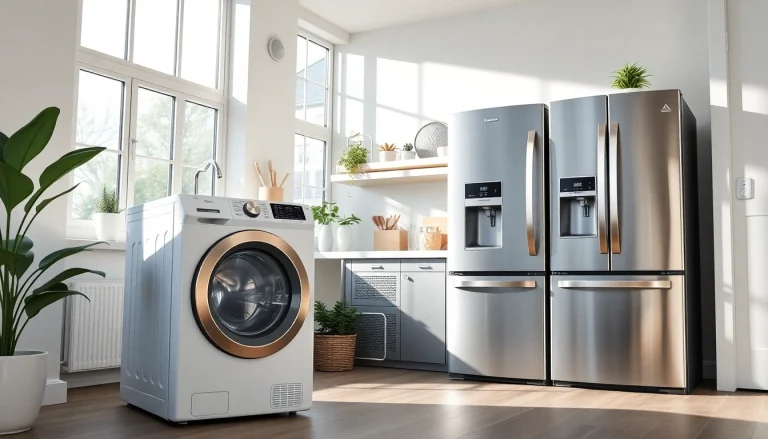
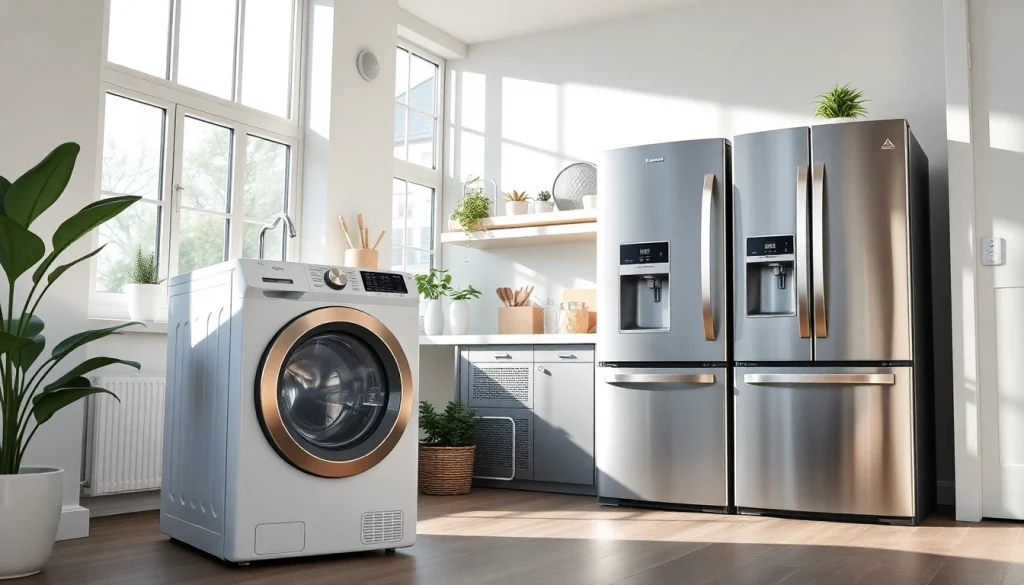
Home systems and appliance protection refers to plans or warranties that cover the repair or replacement costs of major systems and appliances within a residence. These plans can vary significantly in terms of coverage, conditions, and pricing. Typically, they encompass key components such as heating and cooling systems, plumbing, electrical systems, and essential appliances like refrigerators, washers, and dryers.
Importance of Protecting Home Systems and Appliances
Homeowners often underestimate the value of their home systems and appliances until a failure occurs. The importance of protecting these elements cannot be overstated. For one, repairs can be exorbitantly expensive—often running into the hundreds or thousands of dollars. Home systems and appliance protection alleviates this financial burden, enabling homeowners to manage their budgets effectively. Furthermore, many policies enhance the longevity of systems and appliances by promoting timely repairs and replacements, ensuring that your home remains a comfortable and safe environment.
Common Risks Facing Home Systems and Appliances
Various factors can pose a risk to home systems and appliances. Harsh weather conditions, improper usage, lack of maintenance, and component wear and tear can lead to unexpected breakdowns. For instance, plumbing systems are susceptible to leaks and clogs, while HVAC systems may fail due to neglected filters or mechanical issues. By understanding these risks, homeowners can take preventive measures and make informed decisions about their protection plans.
Types of Home Systems and Appliance Protection Plans
Comprehensive vs. Basic Coverage
Home systems and appliance protection plans generally fall into two main categories: comprehensive and basic coverage. Comprehensive plans often cover a wider range of systems and appliances and may include features such as added benefits for routine maintenance. Basic coverage, on the other hand, typically involves a more limited selection of items and may only offer protection for the most critical elements of your home. Understanding the differences between these types can help you assess your needs and budget more accurately.
Customized Protection Plans
For homeowners with unique needs, customized protection plans offer the flexibility to select coverage that fits specific requirements. This option allows individuals to choose which systems and appliances to protect based on their lifestyle and the potential risks they face. By tailoring the plan, homeowners can ensure they are adequately covered without paying for unnecessary protections.
Comparing Coverage Options
When evaluating coverage options, it is essential to compare multiple plans effectively. Check what is included in each policy, the deductibles, and the claims process. Additionally, consideration should be given to exclusions and limitations as these factors can significantly impact your experience with the service. Making a detailed comparison will help you find a plan that aligns with your needs and offers the best value for your investment.
Choosing the Right Provider for Home Systems and Appliance Protection
Evaluating Provider Reputation
The reputation of a provider plays a vital role in your overall satisfaction with home systems and appliance protection. Researching customer reviews, ratings, and the provider’s history in the industry can help gauge their reliability. A company with a strong track record of fulfilling claims efficiently often comes recommended and can indicate a trustworthy choice.
Understanding Fine Print and Contract Terms
Before signing a protection plan, it is crucial to read the fine print and understand all contract terms. This includes grasping the details surrounding coverage limits, exclusions, and the claims process. Failure to comprehend these aspects can result in unexpected costs and frustrations down the line. Clarifying any uncertainties with a representative can help prevent misunderstandings.
Customer Service and Support Considerations
Effective customer service and support are paramount for managing home systems and appliance protection. When choosing a provider, consider their availability, responsiveness, and the resources offered for claim filing and management. A provider that prioritizes customer care can significantly enhance your experience and ensure swift resolution of issues.
Implementing Home Systems and Appliance Protection
Steps to Secure Your Home Systems and Appliances
Securing home systems and appliances begins with a careful assessment of what needs protection. Start by taking inventory and evaluating the age, condition, and potential risks associated with each item. After determining coverage criteria, research and compare providers to find a plan that suits your needs. Following this, ensure you complete any required paperwork accurately and thoroughly to avoid issues when filing claims.
Regular Maintenance and Inspections
Regular maintenance and inspections are vital to extending the lifespan of home systems and appliances. Many plans include routine check-ups or provide coverage for regular service agreements. Homeowners should schedule regular maintenance checks to identify issues before they escalate, preventing costly repairs and confirming that systems operate efficiently.
Staying Updated with Coverage Needs
Your home and its systems will evolve over time, meaning your protection needs may also change. Regularly reviewing your policy in light of any new purchases, renovations, or changes in how you use your home can help ensure your coverage remains adequate. Adjusting your plan as necessary will guarantee that your investments remain protected.
Maximizing the Benefits of Home Systems and Appliance Protection
How to File a Claim Effectively
Filing a claim effectively is critical to benefitting from home systems and appliance protection. Start by familiarizing yourself with the claims process outlined in your policy. Document all issues thoroughly, including photographs and descriptions. When contacting your provider, provide all relevant information upfront to streamline the process, keeping records of all correspondence for future reference.
Customer Stories: Success with Protection Plans
Hearing about real-life experiences can provide insight into the benefits of home systems and appliance protection. Many customers report positive experiences, highlighting how protective plans have saved them from significant financial losses during appliance failures or system breakdowns. These stories serve to illustrate the value of investing in such coverage, emphasizing the importance of peace of mind for homeowners.
Evaluating Cost vs. Benefits
When it comes to home systems and appliance protection, weighing the cost against potential benefits is essential. Analyze your current financial situation and the typical repair costs associated with your systems and appliances. If repairs are typically expensive and your systems are aging, the financial investment in protection plans can provide greater long-term savings and security, thus enhancing your overall peace of mind.
Frequently Asked Questions
What does home systems and appliance protection cover?
Coverage typically includes major home systems like plumbing, heating, and electrical, plus appliances such as refrigerators and washers. Details depend on the specific plan selected.
How do I choose the best protection plan?
Assess your needs, compare coverage options, and evaluate provider reviews. Select a plan that offers the coverage you require within your budget.
What should I do if my insurance claim is denied?
Review the policy terms and investigate the reason for denial. Contact the provider for clarification and, if necessary, appeal the decision with supporting documentation.
Can I customize my protection plan?
Yes, many providers offer customizable plans, allowing you to select specific systems and appliances for coverage based on your unique needs.
How often should I review my protection plan?
It’s advisable to review your protection plan annually or whenever you make significant changes to your home, such as new purchases or renovations.