

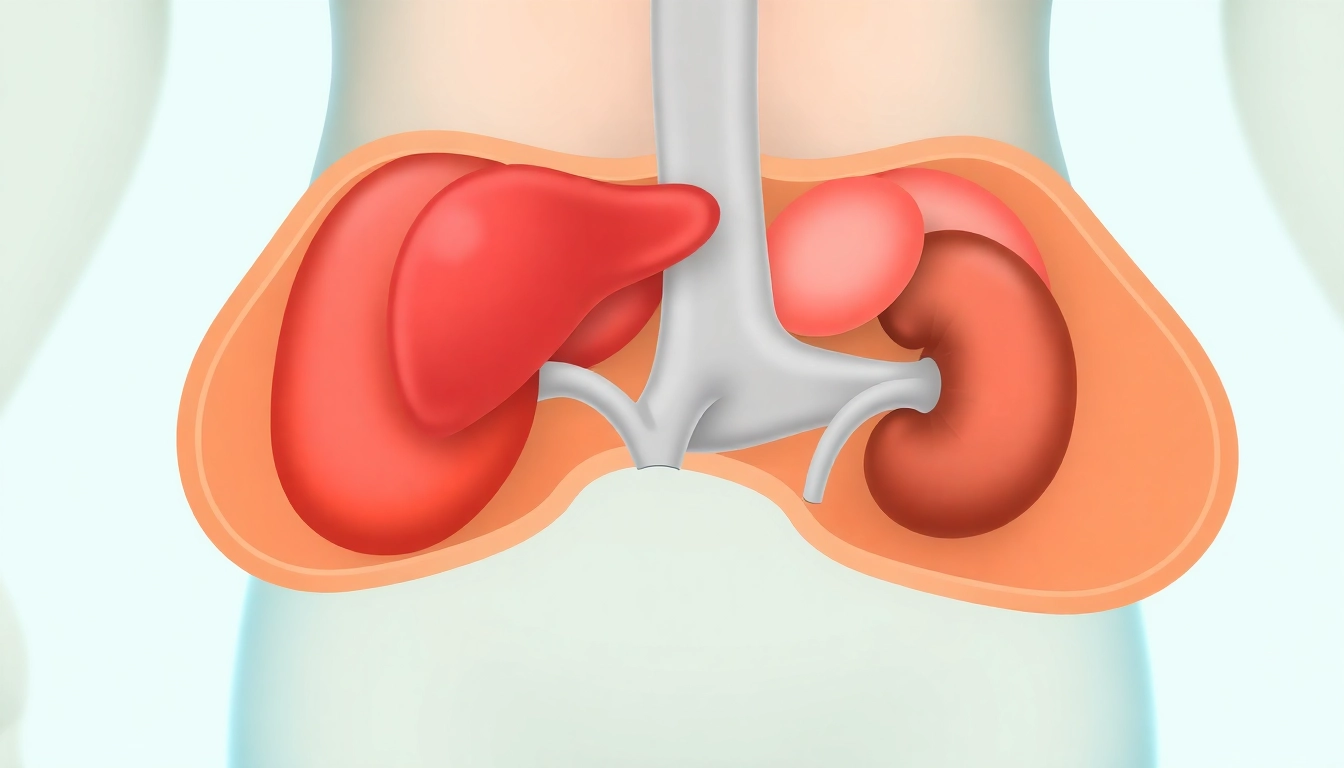
What is Visceral Fat?
Visceral fat is not merely an aesthetic concern; it plays a critical role in our overall health. Nestled deep within the abdominal cavity, visceral fat surrounds essential organs such as the liver, pancreas, and intestines. Unlike subcutaneous fat, which lies just beneath the skin, visceral fat is located deeper in the body, making it more dangerous. This hidden type of fat has garnered attention due to its association with various health risks, including cardiovascular disease, type 2 diabetes, and certain cancers. Understanding the intricacies of visceral fat can empower individuals to take proactive measures for better health.
Definition and Characteristics of Visceral Fat
Visceral fat is a complex form of adipose tissue characterized by its location and function. It serves as a cushion for vital organs, providing protection and support while also playing a role in metabolism. However, when visceral fat levels become excessive, this protective tissue starts to contribute to serious health problems. It is also known for releasing pro-inflammatory cytokines and hormones that can disrupt normal metabolic processes, leading to insulin resistance and increased fat deposition in other areas of the body.
Differences Between Visceral and Subcutaneous Fat
Understanding the differences between visceral and subcutaneous fat is crucial for grasping the health implications associated with each. Subcutaneous fat accumulates just under the skin and is often what most people see when they think of body fat. While it can also contribute to health issues, especially in excess, visceral fat is far more dangerous due to its internal positioning. Here are some key distinctions:
- Location: As mentioned, visceral fat is found in the abdominal cavity, while subcutaneous fat resides just beneath the skin.
- Health Risks: Visceral fat is linked to heightened risks of serious health issues like heart disease and diabetes, whereas subcutaneous fat is generally considered less harmful.
- Metabolic Activity: Visceral fat is metabolically active, releasing hormones and inflammatory substances, while subcutaneous fat is less so.
Health Risks Associated with Excess Visceral Fat
The health implications of excess visceral fat are significant and wide-ranging. Research has shown that higher levels of this fat type correlate with an increased risk of several diseases:
- Cardiovascular Disease: Visceral fat accumulation is closely linked to conditions such as hypertension, high cholesterol levels, and ultimately heart disease.
- Type 2 Diabetes: Visceral fat can lead to insulin resistance, greatly increasing the risk of developing diabetes.
- Metabolic Syndrome: The presence of visceral fat is a significant factor in metabolic syndrome, a cluster of conditions that increase the risk of heart disease and stroke.
- Certain Cancers: Visceral fat has been associated with an increased risk of cancers, particularly breast and colon cancer.
Causes of Visceral Fat Accumulation
Understanding the underlying causes of visceral fat accumulation is essential for effective prevention and management. Several factors contribute to the build-up of this harmful fat.
Dietary Factors Contributing to Visceral Fat
The modern diet plays a significant role in the accumulation of visceral fat. Diets high in refined carbohydrates, sugars, and saturated fats can promote fat storage in the abdominal cavity. Some contributors include:
- Processed Foods: High in sugars and unhealthy fats, these foods are linked to increased visceral fat.
- Sugary Beverages: Consumption of sodas and sweetened drinks significantly contributes to fat storage, particularly visceral fat.
- Low Protein Intake: Protein is critical for satiety and helps to regulate body fat. Low protein diets can lead to increased fat accumulation.
The Role of Physical Inactivity
Physical inactivity is a major contributor to visceral fat accumulation. A sedentary lifestyle affects how the body metabolizes food and stores fat, leading to higher levels of visceral fat. Regular exercise is not just important for weight loss; it actively reduces visceral fat stores, improves cardiovascular health, and enhances insulin sensitivity.
Hormonal Influences on Visceral Fat
Hormonal balance significantly influences fat distribution in the body. Hormones such as cortisol, insulin, and sex hormones can affect where fat is stored:
- Cortisol: Elevated stress levels can lead to increased cortisol secretion, promoting visceral fat accumulation.
- Insulin: Insulin resistance is commonly associated with visceral fat, as excess insulin leads to fat storage in the abdomen.
- Estrogen: In women, lower estrogen levels post-menopause can lead to an increase in visceral fat.
How to Measure Visceral Fat
Accurate measurement of visceral fat is essential for assessing health risks. Individuals can utilize various methods to gauge their visceral fat levels.
Methods for Assessing Visceral Fat Levels
There are several ways to measure visceral fat, varying from clinical assessments to at-home measures. Common methods include:
- Waist Circumference: A simple measurement that can indicate visceral fat. A waist size over 35 inches for women and 40 inches for men is considered a risk factor.
- BMI: While not perfect, Body Mass Index can offer insights into overall fat levels. However, it doesn’t differentiate between visceral and subcutaneous fat.
- Body Composition Scanners: These machines, often found in gyms and clinics, use bioelectrical impedance or DEXA scans to provide estimations of visceral fat.
Understanding Waist Circumference Clues
Waist circumference provides a quick, cost-effective measure of visceral fat. Beyond mere aesthetics, a larger waist circumference is associated with higher risks of obesity-related conditions. Regular monitoring and awareness of waist size can serve as a preventative measure for maintaining health.
Using Imaging Techniques for Accurate Measurement
For more precise assessments, imaging technologies such as CT scans and MRI can vividly visualize visceral fat. Although more invasive and costly, these methods provide crucial insights for those at high risk or with pre-existing health conditions. Regular imaging might be necessary for individuals undergoing treatments for obesity or metabolic disorders.
Strategies to Reduce Visceral Fat
Armed with knowledge about visceral fat, individuals can take practical steps to reduce it. Here are effective strategies to consider:
Effective Dietary Changes for Reducing Visceral Fat
Diet plays a crucial role in managing visceral fat. Implementing specific dietary changes can lead to substantial health benefits:
- Increase Fiber Intake: Incorporating fruits, vegetables, and whole grains aids digestion and promotes satiety, reducing excess calorie intake.
- Healthy Fats: Replace saturated fats with unsaturated fats found in nuts, avocados, and fish to support heart health and fat loss.
- Sugar Reduction: Cutting back on added sugars decreases insulin spikes and aids in reducing visceral fat.
Physical Activity Recommendations for Fat Loss
Regular physical activity is vital for managing visceral fat levels. Recommendations include:
- Aim for 150 Minutes of Moderate Exercise: Activities such as brisk walking, swimming, or cycling are effective in reducing fat.
- Strength Training: Incorporating resistance exercises at least twice a week can boost metabolism and help with body fat reduction.
- Incorporate High-Intensity Interval Training (HIIT): Short bursts of intense exercise interspersed with rest can be particularly effective for fat loss.
Behavioral Changes and Lifestyle Adjustments
Incorporating behavioral changes is just as crucial as dietary and exercise modifications. Here are several strategies that might help:
- Set Realistic Goals: Establish achievable goals surrounding diet, exercise, and other lifestyle habits to maintain motivation.
- Mindful Eating: Paying attention to hunger cues can prevent overeating and lead to better food choices.
- Reduce Stress: Engaging in stress-management practices, such as meditation or yoga, can lead to a lower cortisol response and reduced visceral fat.
Long-term Management and Prevention of Visceral Fat
The journey of managing visceral fat does not end with immediate changes; it requires long-term commitment. Here’s how to stay on track:
Importance of Regular Monitoring and Assessments
Keeping track of body measurements, weight, and dietary habits can provide insight into progress over time. Consider regular health assessments that focus on body composition to stay informed about visceral fat levels.
Staying Consistent with Healthy Habits
Consistency is key in maintaining a healthy lifestyle. Establish routines in exercise and meal planning that make it easier to stay on track and avoid reverting to unhealthy behaviors.
Seeking Professional Help When Necessary
When dealing with excess visceral fat, seeking support from healthcare professionals such as dietitians or fitness trainers can provide tailored advice and accountability. In cases of severe obesity or metabolic disorders, medical intervention may be warranted to achieve sustainable results.