

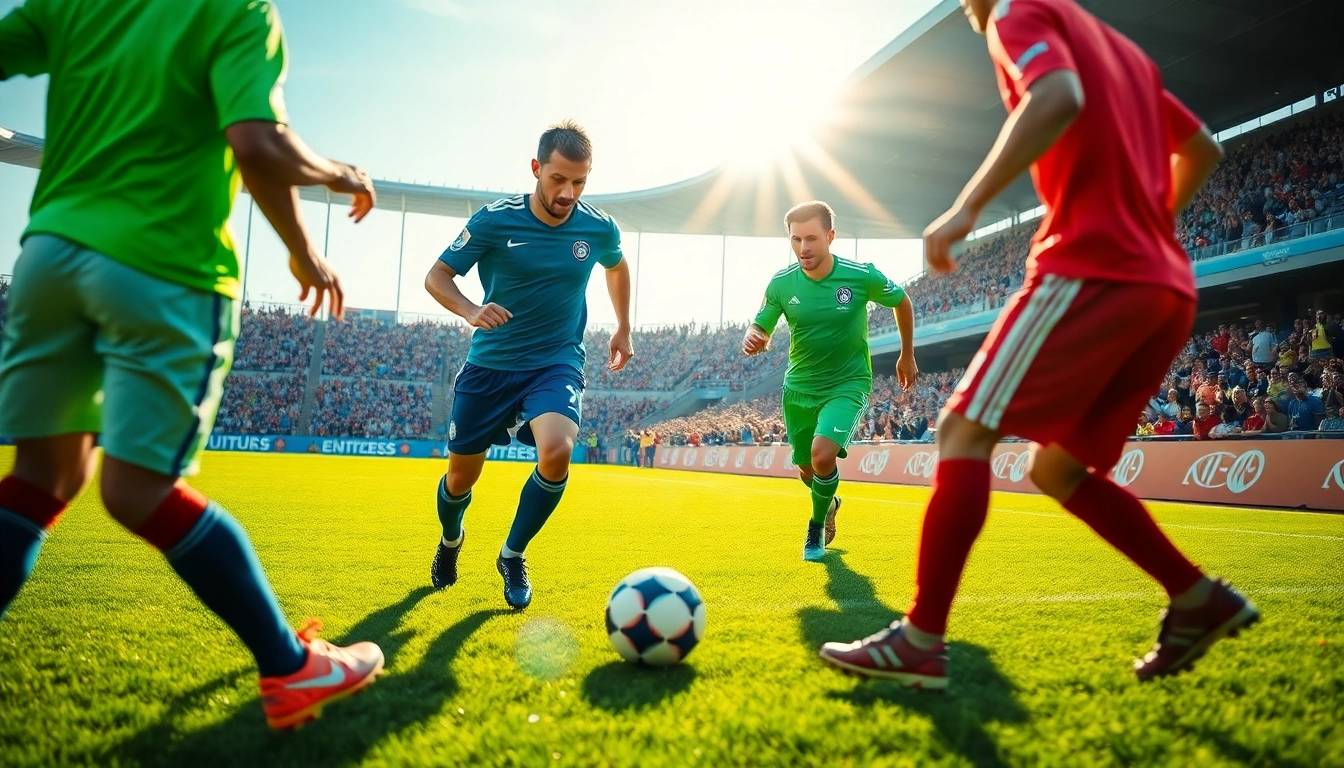
Understanding the Importance of Team Kit
Defining Team Kit
A Team kit refers to the clothing and equipment worn by sports teams during matches and practice sessions. This typically includes jerseys, shorts, socks, tracksuits, and sometimes additional accessories like hats or bags. The purpose of a team kit extends beyond mere functionality; it serves as a vital aspect of a team’s identity and representation.
Benefits of a Well-Designed Team Kit
A well-designed team kit provides numerous benefits to both the players and the organization. Firstly, it enhances team unity as members wear the same colors and designs, fostering a sense of belonging and camaraderie. This cohesiveness can significantly impact performance, as players often feel more connected and motivated to work together. Moreover, a visually appealing kit can improve team visibility in competitions, making it easier for fans to recognize and support their favorite team.
Influence on Team Identity
The design elements of a team kit contribute powerfully to the team’s identity. Colors, logos, and even the style of the kit reflect the team’s values, history, and culture. A strong visual identity can deepen fan loyalty and attract new supporters. Think of iconic teams across various sports—often, their kits evoke emotional reactions and memories tied to significant victories or legendary players.
Selecting the Ideal Team Kit Materials
Fabric Types for Breathability and Comfort
When selecting a team kit, the choice of fabric is crucial for player comfort and performance. Fabrics such as polyester are commonly used for jerseys as they are lightweight and moisture-wicking, helping players stay dry during intense activities. Further, advancements in sports textile technology have led to the development of breathable mesh fabrics that enhance airflow and further improve comfort levels.
DURABILITY Considerations for Equipment
Durability is another essential metric when selecting materials for a team kit. Players encounter rigorous conditions on the field that can lead to wear and tear. Fabrics designed to resist fading and abrasion, such as reinforced polyester or nylon blends, can significantly extend the lifespan of a team kit, making it a cost-effective choice for teams operating within budget constraints.
Eco-Friendly Options in Team Kit Production
As sustainability becomes increasingly important, many teams are exploring eco-friendly materials for their kits. Recycled polyester, made from plastic bottles, is gaining traction as an alternative that maintains the durability and performance characteristics required in sports apparel while reducing environmental impact. Further, investing in sustainable manufacturing practices can resonate well with fans who prioritize corporate social responsibility, enhancing the team’s image.
Customizing Your Team Kit for Impact
Design Elements to Consider
Customization extends beyond mere logos and colors. Thoughtful design elements, such as the cut of the shirt or the inclusion of stripes and patterns, can influence a kit’s aesthetics and functionality. Key considerations include the neckline style, sleeve length, and whether to incorporate elements like side panels for a trendier look. Custom designs reflect a team’s personality, so working closely with experienced designers can yield impressive results tailored to the team’s needs.
Personalization Options for Players
Personalizing kits with player names and numbers is standard practice. This not only enhances player ownership of their gear but also boosts fan engagement, allowing supporters to connect more deeply with individual players. Options such as embroidery or printed names add a professional touch, promoting uniqueness within the team’s overall identity while celebrating player individuality.
Balancing Style and Functionality in Design
While style is undeniably significant in a team kit, it should not overshadow functionality. Teams must prioritize features like moisture control, flexibility, and the ability to withstand the physical demands of the sport. Ultimately, the best designs elegantly merge both aspects, ensuring players look good on the field without compromising their performance.
Where to Source Quality Team Kits
Evaluating Suppliers and Manufacturers
Choosing the right supplier for a team kit can significantly affect the quality and suitability of the final product. Teams should undertake thorough research when evaluating potential suppliers. Factors to consider include experience, reputation, and customer reviews. Engaging with suppliers who specialize in sports apparel often results in higher quality, better service, and tailored solutions that meet specific needs.
Online vs. Local Vendors
The rise of e-commerce has made it easier than ever to source team kits online. Online vendors typically offer a wider range of options and often more competitive prices. Conversely, local vendors may provide the advantage of in-person consultations, immediate customization, and quicker turnaround times for urgent needs. Weighing these options against each team’s priorities can lead to better purchasing decisions.
Understanding Pricing Structures
Pricing can vary significantly based on the quality, customization, and materials used in the team kits. Teams should familiarize themselves with different pricing structures and be clear about what their budget allows. Bulk ordering can often yield substantial savings, while investing in higher-quality materials may be necessary for teams that compete at higher levels. Understanding the cost-benefit ratio is key to making the right selection.
Maintaining and Caring for Your Team Kit
Washing and Drying Best Practices
Proper maintenance is critical to prolonging the lifespan of any Team kit. Washing kits in cold water and avoiding harsh detergents helps retain the fabric’s integrity. It is also wise to turn jerseys inside out to minimize wear on any printed designs. For drying, air drying is preferred to avoid unnecessary shrinkage or damage from heat.
Repairing Damage to Kits
Injuries to team kits, whether from wear and tear or accidental damage, are common. Stains can often be treated post-game with specific products tailored to remove tough marks without compromising the fabric’s strength. For stitching damage, learning basic sewing skills can be beneficial, allowing for quick fixes without needing a professional mend. While small repairs are generally manageable, significant damage should be evaluated by professionals to determine repair viability.
Maximizing the Lifespan of Your Team Kit
Investing in a quality team kit is just the first step. Teams must cultivate a culture of care to maximize longevity. Establishing clear guidelines on how to handle equipment post-match and regular maintenance checks will help ensure equipment remains in top condition. Encouraging players to be mindful of their kits and providing education on proper care can significantly impact their lifespan and overall team performance.